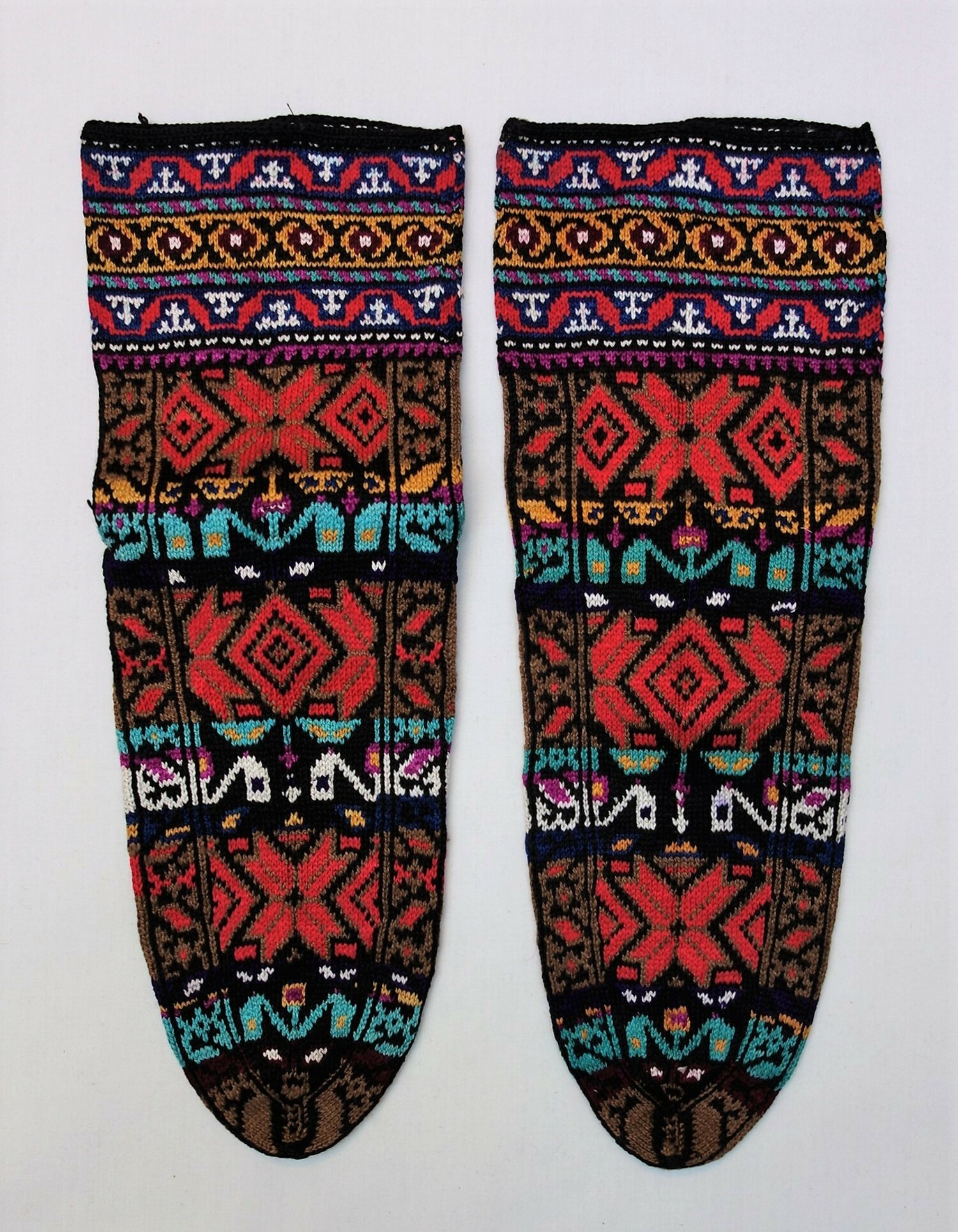
 Late-19th century, silk, knitted socks from Iran (TRC 2002.0078a b).(Nader Sayadi, 1 August 2026) The Textile Research Centre (TRC) holds a significant and growing collection of textiles from the Islamic world. In June 2026, I had the chance to study a few examples from its Iranian Regional Dress collection, a large group of specimens collected in Iran between 1998 and 2001 by the TRC.
This collection showcases some of the attire commonly worn in Iran at the turn of the millennium. Many of the garments are an adaptation of older styles, and therefore often known as living “folk” or “traditional” attire.
Other Iranian textiles and garments that are housed at the TRC, such as the donated Bayani Family Collection, include garments and accessories from the mid-nineteenth to the early twentieth century (Fig. 1).
While a few museums have collected nineteenth-century textiles and garments, there has generally been little interest in acquiring, studying, and interpreting recently made textiles and attire in “folk” style. As a result, such textiles are not easily accessible to researchers outside of Iran.
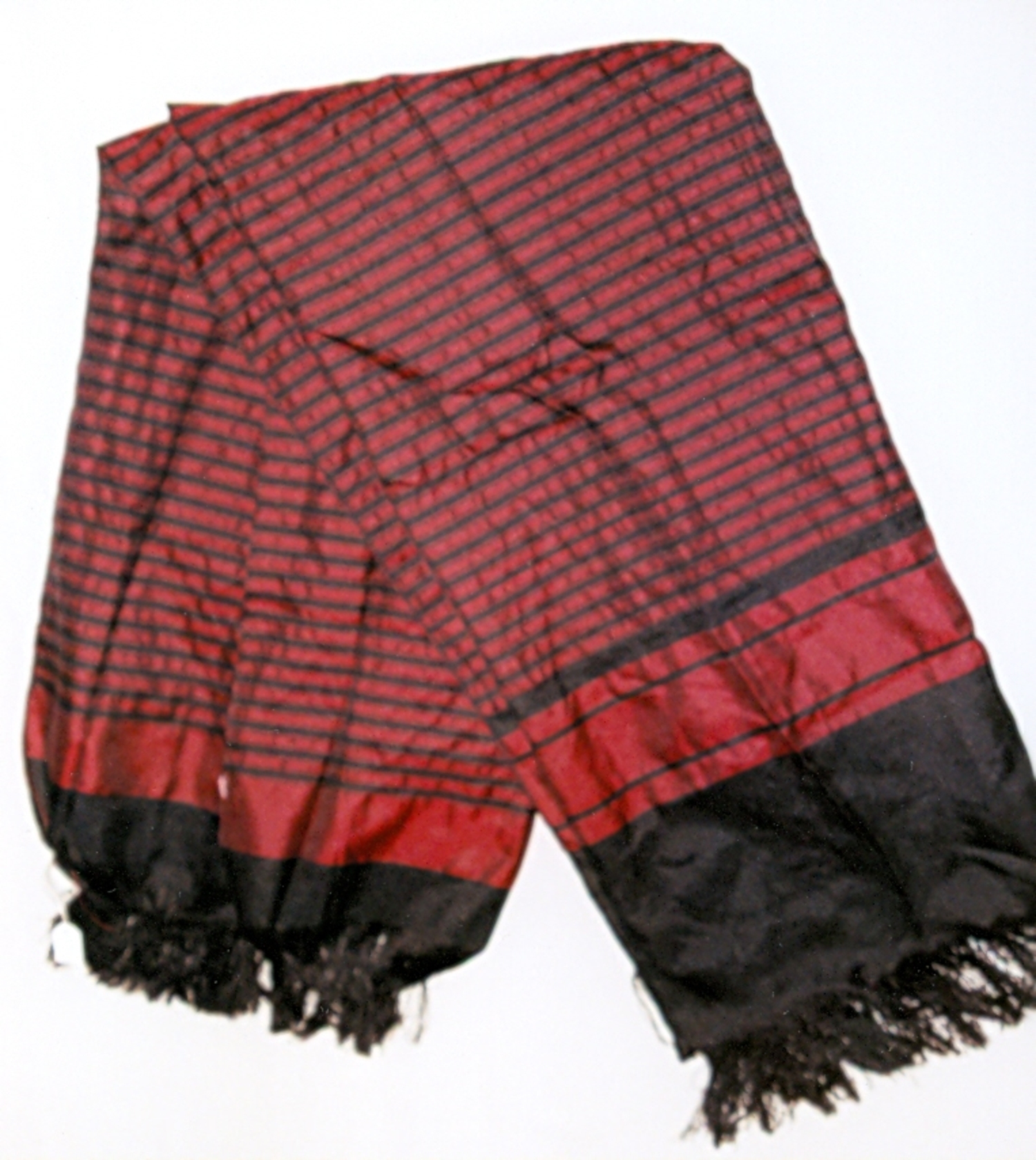 Fig. 2. Men's sash made from synthetic cloth, acquired in the Sanandaj bazaar in 1998. western Iran (TRC 1998.0206).
The TRC collections are invaluable research resources for exploring the sartorial culture of everyday life in Iran in the past. For example, a shawl (Fig. 2; TRC 1998.0206), collected in the bazaar of Sanandaj in western Iran, closely resembles products from silk-weaving workshops (sha’rbâfi, 'city woven') in Kashan in central Iran, woven exclusively for the Kurdish market rather than for local use. Another shawl (Fig. 3; TRC 1998.0205) represents the popular black-and-white colour palette of the same group of Kashan’s sha’rbâfi works.
These two shawls seem to be a more affordable versions of Kashan’s silk shawls, since they were made from synthetic fibres rather than silk, such as an older silk shawl (Fig. 4; TRC 1998.0168) , also acquired in Kashan’s bazaar. Such 'cheaper' samples are of great importance for my ongoing book project, The City at Work: Silk, Labor, and Architecture in Post-Earthquake Kashan in the Eighteenth and Nineteenth Centuries, which investigates humbler, everyday, and “ethnic” textiles and items of clothing. TRC provides an excellent place to study these textiles and a reliable reference point for citing them.
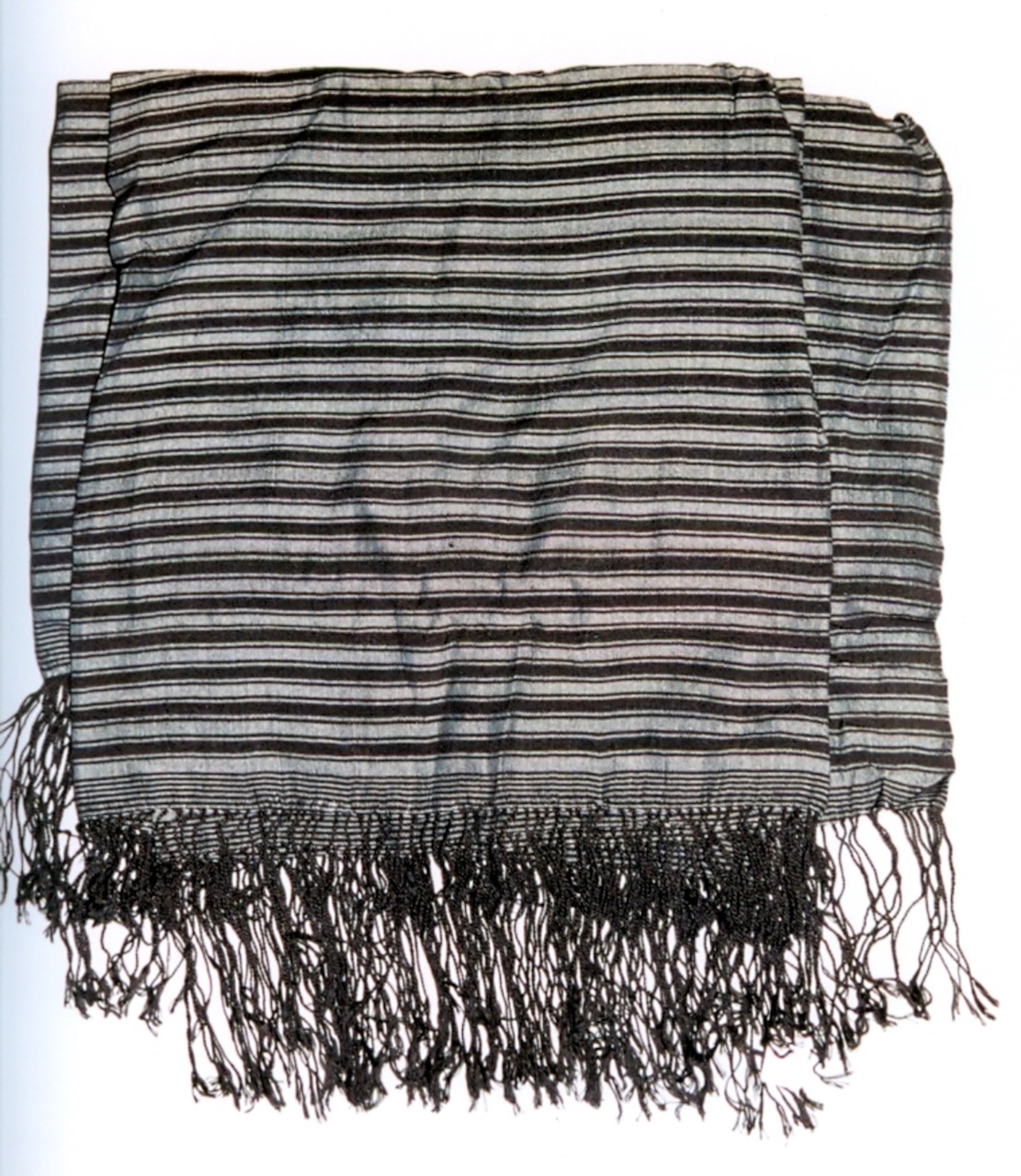 Fig. 3. Women's sash of synthetic cloth, acquired in Sanandaj bazaar in western Iran in 1998 (TRC 1998.0205).TRC’s collections showcase diverse markets in Iran, represented through both imported and locally produced textiles, tailored for urban middle- and upper-class consumers. For example, a cotton jacket (Fig. 5; TRC 2022.1455) illustrates changes in fashion and markets from the mid-nineteenth to the early twentieth century. The top layer of this garment is made of a hand-block-printed, factory-woven, imported white cotton textile (cheet) from Iran—perhaps Isfahan.
This printed cotton fabric mimics a much more expensive and popular type of woven Kashmiri shawl (khat-râst, sometimes muharramât) made from pashmina, produced primarily for the Iranian market. The jacket is lined with two different, imported roller-printed cottons, most likely from England (main lining) and Russia (cuff linings). Finally, a plain-woven yellow-and-blue plaid cotton was used to make a large pocket inside the garment’s left flap. The maker’s and wearer’s textile choices show that despite its relatively low cost, they valued the locally printed Kashmiri shawl look-alike more than imported roller prints used for lining. In this specific case, the Iranian consumer prioritised appearance over quality.
Additionally, the garment shows substantial modifications soon after its making. The garment initially had long, pointed ends that would cover the wearer’s hands and open-panel hips, both aspects that were fashionable in the first half of the nineteenth century. However, its sleeves were cut and shortened, and the hip panels were folded inward, resewn, and patched with the same fabric to create a straight silhouette.
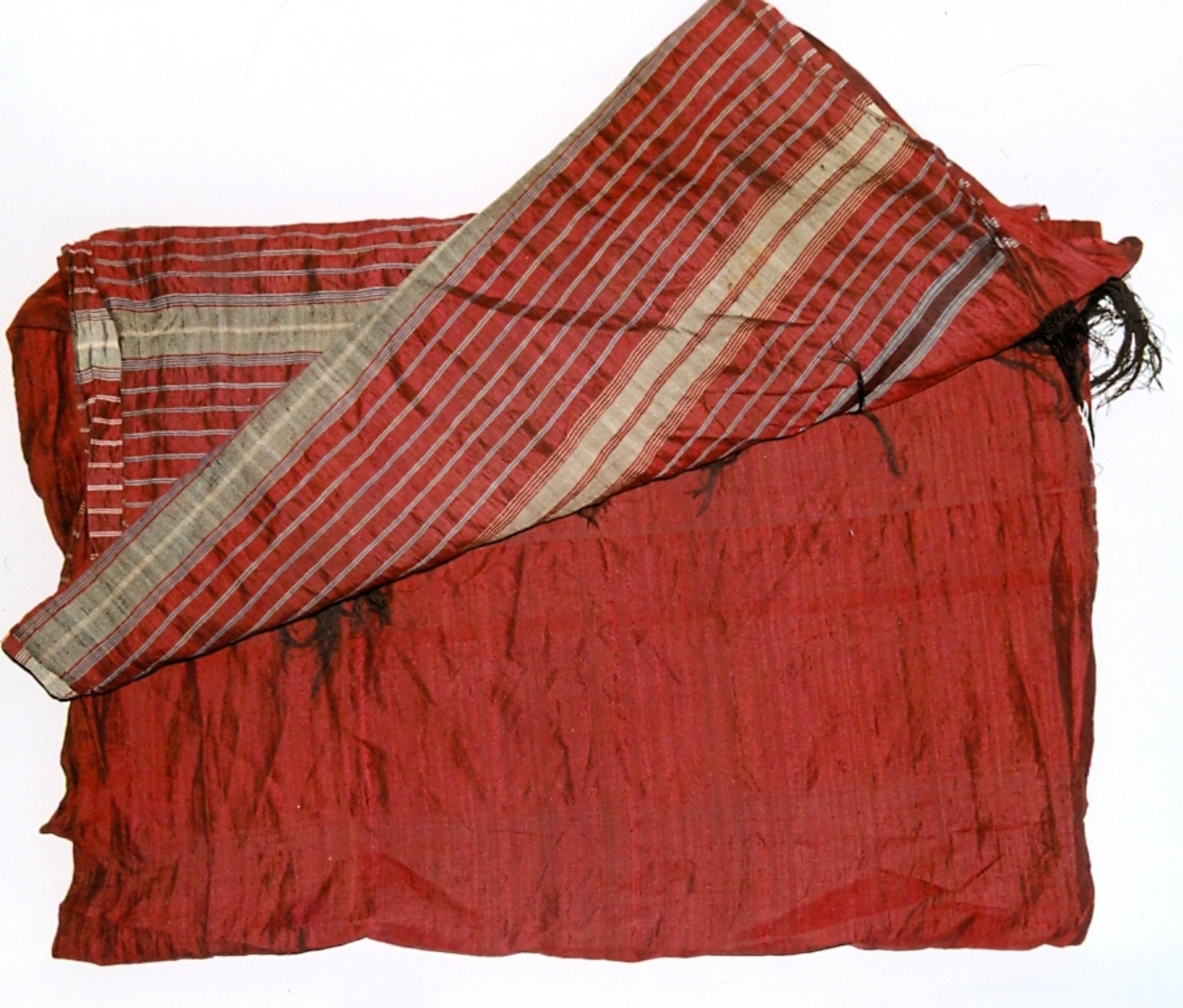 Fig. 4. Men's turban made of silk, acquired in the Kashan bazaar, Iran, in 1998 (TRC 1998.0168).Nevertheless, the modifier retained large unsewn armpits, which were also popular in the first half of the nineteenth century. Since the hips’ patches were added soon after the garment was made (identical fabric and wear-and-tear), the wearer seems to have changed her mind and requested a cut that followed more recent fashion.
These changes demonstrate that the garment was made during a shift in taste in the mid-nineteenth century. Changes in fashion, such as straight silhouettes, were solidified when a red-and-pink silk jacket Fig. 6 (TRC 1999.0432) was tailored for a wealthier customer around the turn of the twentieth century. This garment was made from jacquard satin (most likely imported), brocaded with metal-wrapped threads, and lined with plain cotton. Most early- to mid-nineteenth-century stylish fashion details among the Iranian urban elite, such as open-panelled hips and open armpits and long, pointed sleeves, are absent.
These dresses are critical for studying the history of textiles and attire outside court practices, elite workshops, and high-end production centres—the type of textiles that have usually been preserved in public collections. While I have seen and studied a few similar nineteenth-century Iranian garments at other institutions, I was allowed to handle and touch them at TRC for the first time.
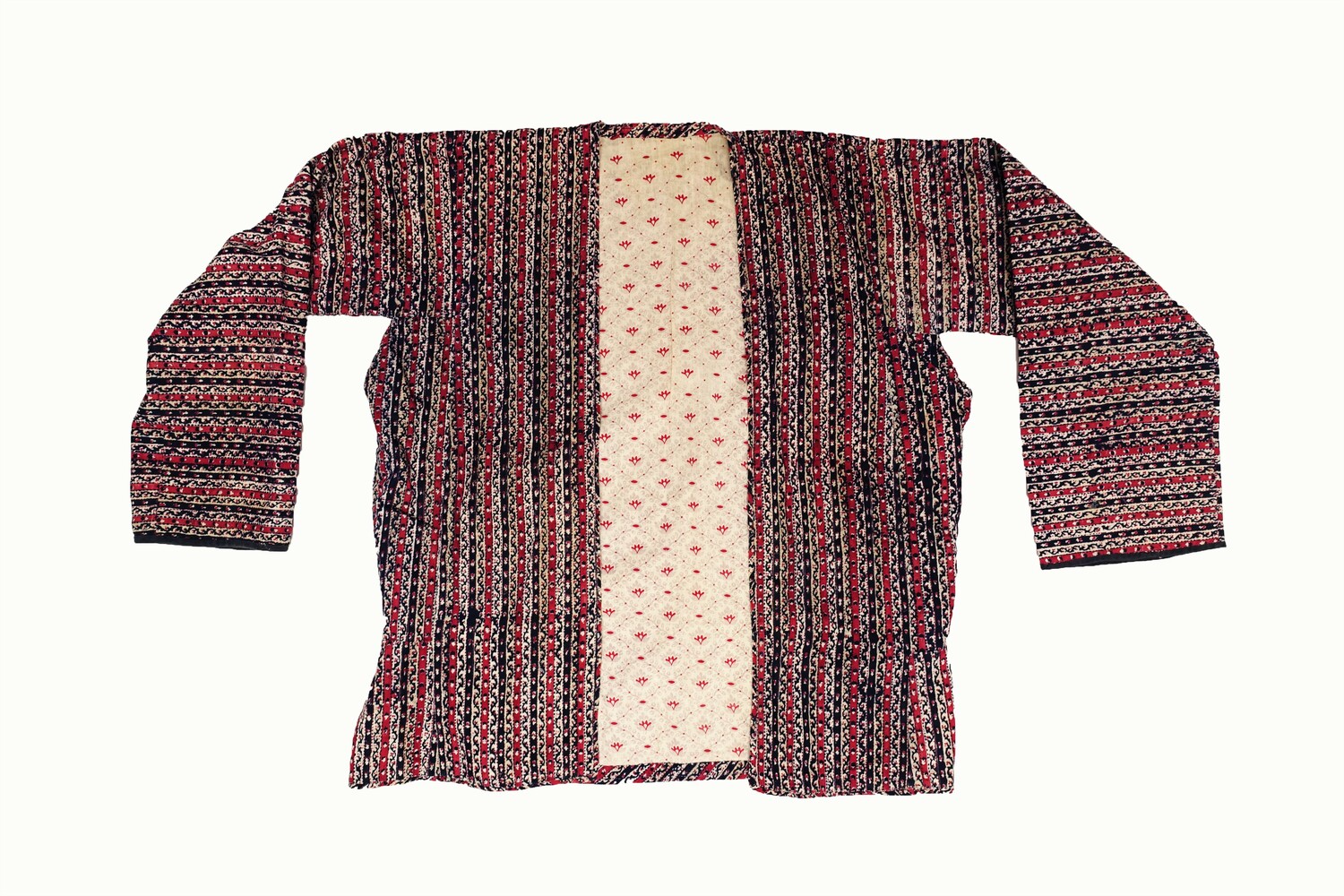 Fig. 5. Women's jacket made of cotton, from Isfahan, Iran, c. 1900 (TRC 2022.1455).This approach gave me an unprecedented opportunity to learn about this type of historical garment in a new way. TRC allows researchers to closely examine most objects in the collection, including touching and handling fabrics and garments. This policy allows an in-depth study of textiles beyond visual investigations.
Although visual characteristics of textiles are significant for their identification and analysis, tactile examination adds an unprecedented dimension to understanding textiles that cannot be achieved solely by sight. Textiles are not merely flat, planar objects that offer only a surface to observe. At the same time, analyses begin by looking at these artifacts, cautiously and consciously touching textiles; their physical feel, texture, warmth, weight, sturdiness, and drape provide us with a broad array of sensory experience, and in this way tell us about their making and use, and, subsequently, their histories.
Studies such as Art, Museums and Touch by Fiona Candlin and The Museum of the Senses: Experiencing Art and Collections by Constance Classen (Bloomsbury, 2017) have addressed this issue in respect to a broad audience that interacts with artifacts, while Touch: Handling Objects in Museum and Heritage Contexts, edited by Elizabeth Pye (Left Coast Press, 2007), and Touch in Museums Policy and Practice in Object Handling, edited by Helen Chatterjee (Taylor & Francis, 2008), have discussed this topic beyond art history and material culture.
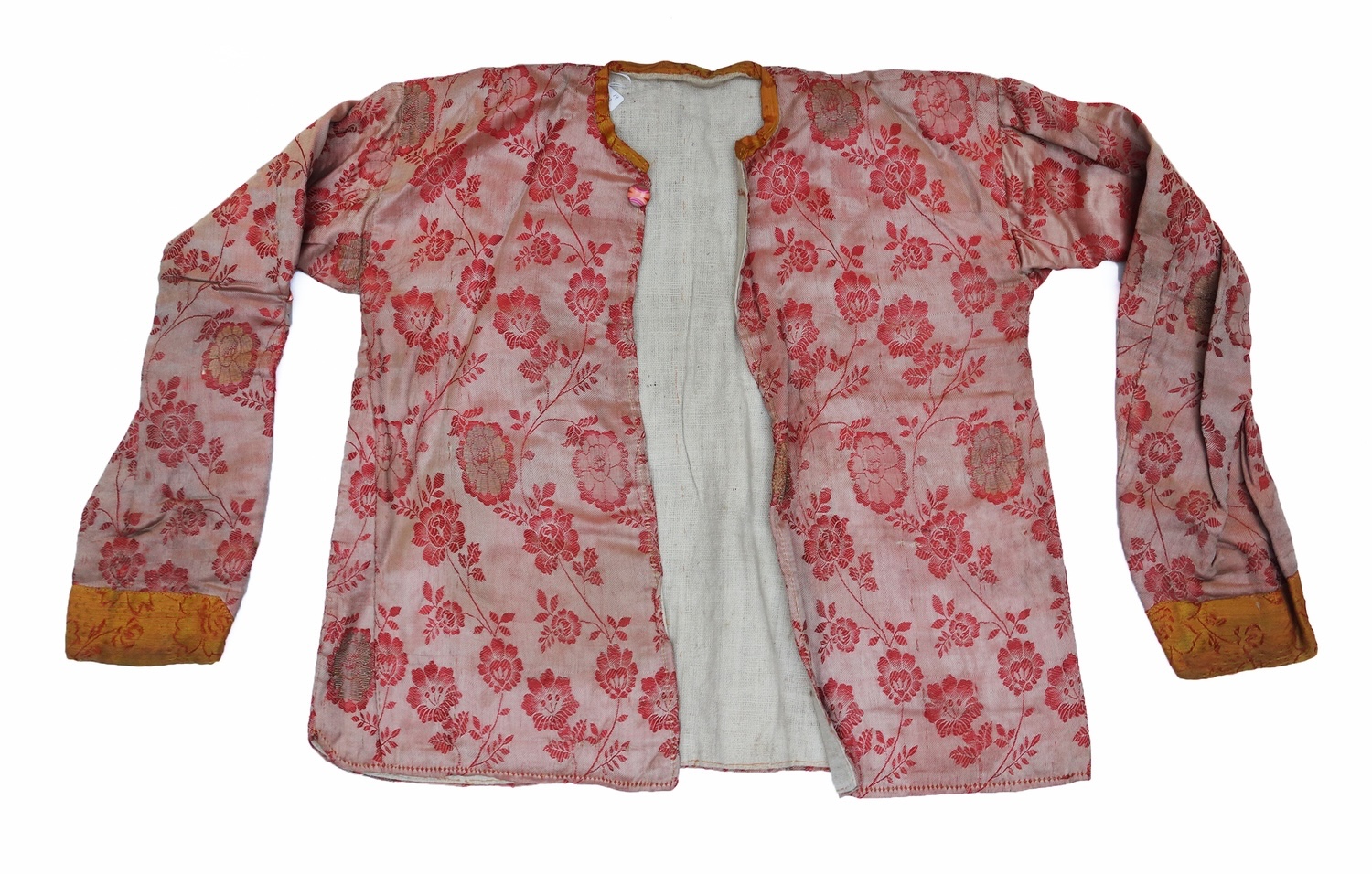 Fig. 6. Women's silk and cotton jacket from Iran, late 19th century (TRC 1999.0432).Textiles’ materiality and three-dimensionality—best understood through touch and handling—shed light on many aspects of textile production, including the technologies used to produce them. Although conservation is clearly critical to safeguarding objects and extending their material lives—especially easily degradable and perishable objects such as textiles—an overarching prohibition on touching textiles substantially limits the learning process.
Gillian Vogelsang-Eastwood, the director of the TRC, reminds visitors that the TRC is not a museum but a research centre. During my visit, she emphasised that learning, rather than absolute preservation, is one of the TRC's primary goals. My haptic experience during my study day at the TRC in Leiden was a unique crash course in how nineteenth-century Iranian garments feel and look, a learning experience not offered at every institution.
See also the TRC online exhibition (2021): Beyond the chador: Regional dress from Iran.