Recently some very interesting objects arrived at the TRC, kindly donated by Jasja Kotterman and family. As an intern at the TRC, I was asked to enter the objects into the TRC collection catalogue, tagging them and entering details, such as materials, country of origin, and techniques. Sometimes part of our work for the catalogue is also to identify what, exactly, the item is and how it is used. At times, such as in the case of these new objects, this involves looking deeper into their social and cultural significance and history under the TRC focus of ‘dress and identity’.
 Fig. 1. Tibetan saddle rug (TRC 2025.0765a).
Today I would like to share some of the research that has gone into two remarkable objects from this donation, namely a pair of woollen Tibetan saddle rugs pictured here (Figs. 1-4; TRC 2025.0765a and TRC 2025.0765b).
When we received the objects, we were informed that they were Tibetan yak saddle rugs, a unique addition to the TRC collection. When researching Tibetan saddle rugs in general and these specific items in particular, I found that the larger of the two (Figs. 1, 3) is considered a ‘butterfly’-style top saddle rug that is typically paired with a smaller rectangular bottom rug, such as the other example (Fig. 2).
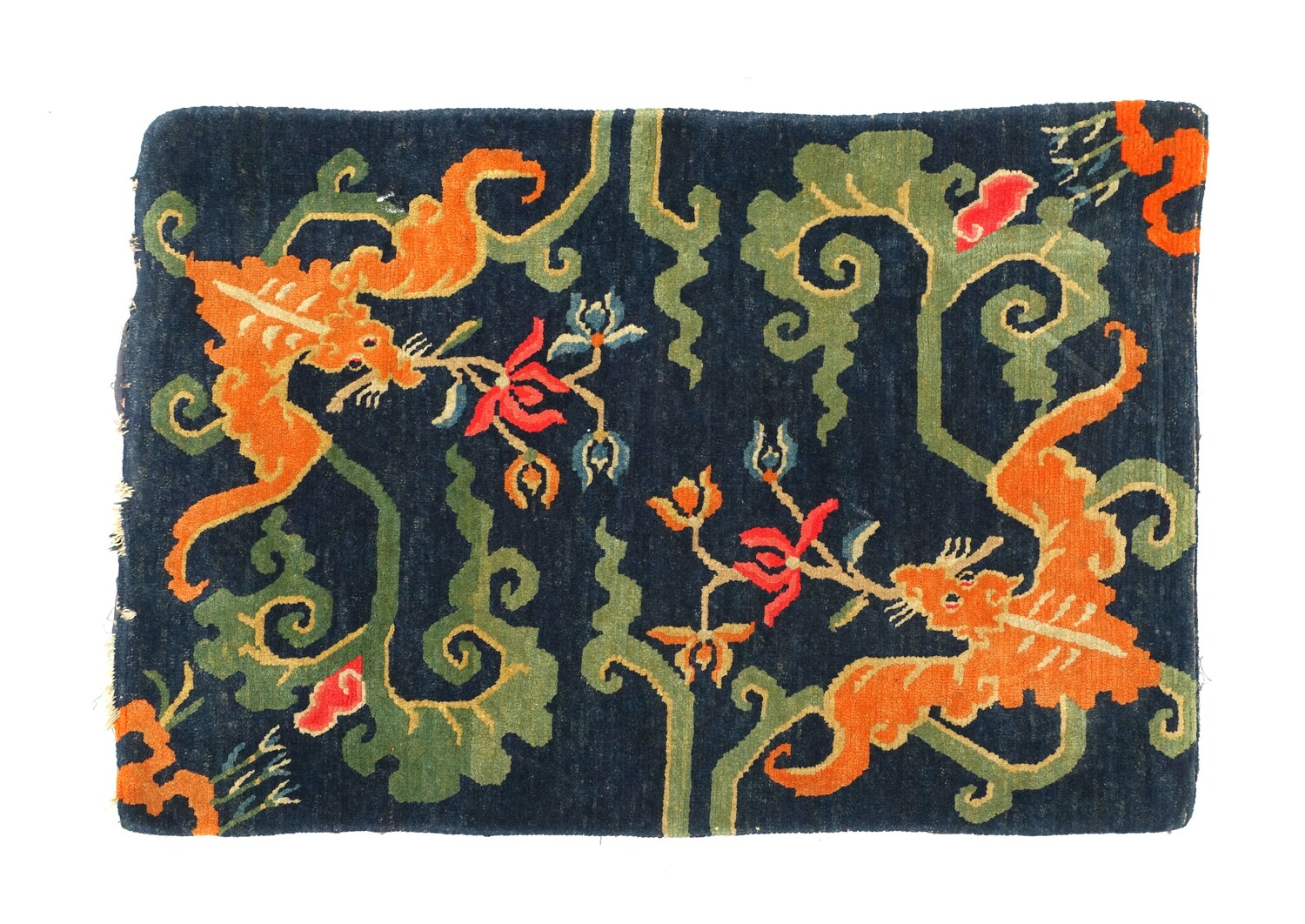 Fig. 2. Tibetan saddle rug (TRC 2025.0765b).
Rug weaving has a long and prominent history in Tibet, with designs changing over time, partly as a result of cultural influences from other regions. Rugs are woven for many purposes; as gifts, for use at home and at religious events and places, such as monasteries.
The traditional craft of Tibetan rug weaving uses a distinct knotting technique. The wool used for the rugs typically comes from the Tibetan highland sheep. It is soft, yet also strong and water-resistant, due to its high lanolin content. Yak wool, which is more durable and coarse, is also used to make rugs. We hope to identify in the near future which type of wool was used.
For the hand-knotting technique, the weaver tightly stretches dyed warp threads made of cotton or wool onto a (traditionally wooden) loom, and then he ties individual, woollen loops around pairs of warp threads using a continuous thread. Once this is finished, the loops are cut with shears to create a sturdy and dense pile of even height. Then the rug is removed from the loom. Before the 1900s and after the introduction of synthetic dyes, rug makers used a select number of local plants to dye the rug threads, including indigo for blue, rhubarb for yellow, madder root for red, and walnut for brown and grey.
Tibetan rugs often depict Buddhist motifs. Dragons were a popular design on saddle rugs for merchants as they represent wealth, and Garuda imagery typically represents protection. Both of these motifs are important to those traveling by horse (or yak), hoping for wealth and protection on their journey. Following Tibetan Buddhist beliefs, the orange bats, featured on both rugs, are considered an auspicious and lucky symbol.
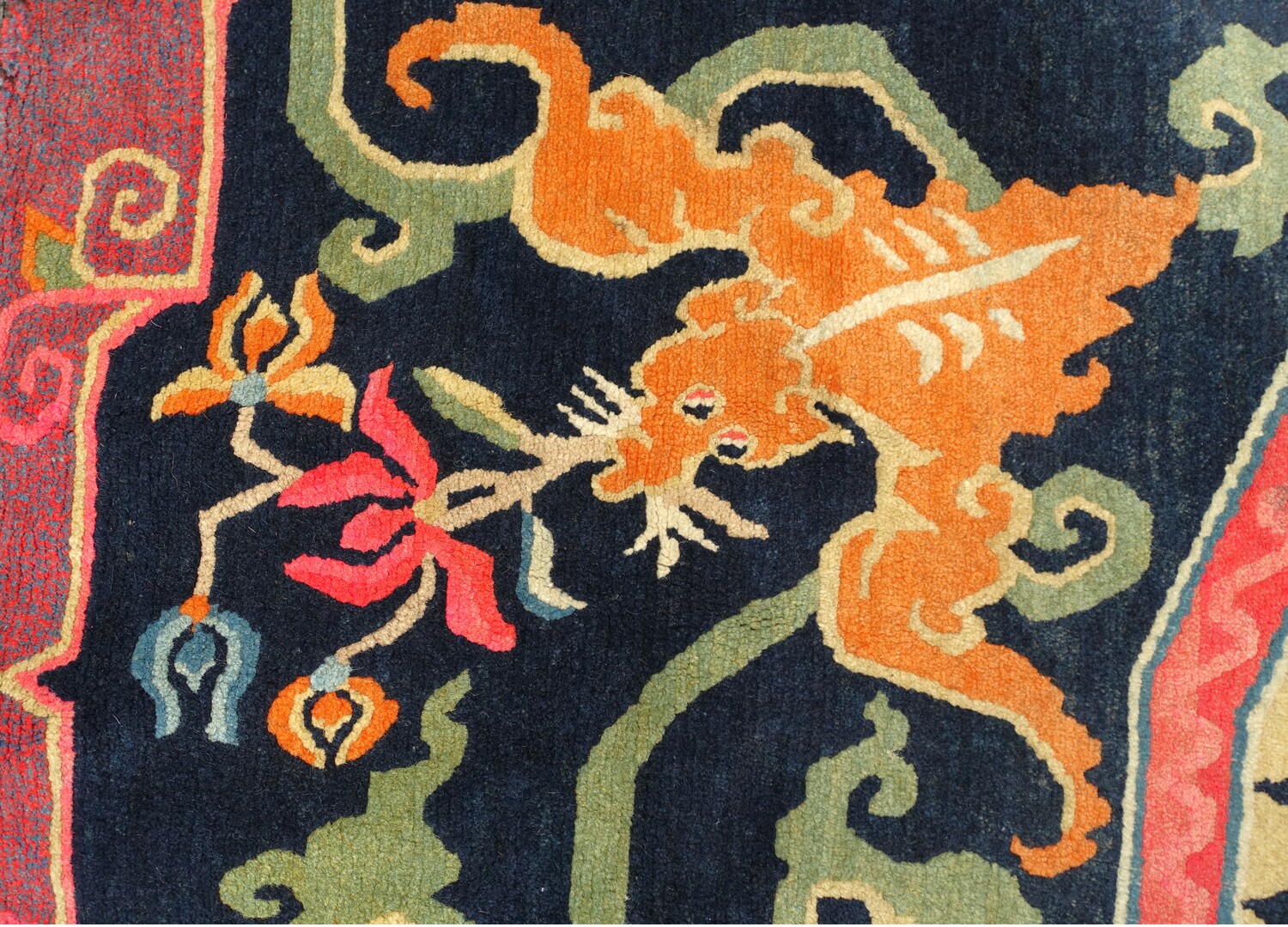 Fig. 3. Detail of TRC 2025.0765a
One use of rugs is for saddles; they typically come in pairs and in a number of specific styles. Examples include saddle rugs where both the top and bottom pieces are oval, and a more rectangular style, whereby the bottom rug has indented sides (creating a 'butterfly' shape), and the top rug is long and rectangular, without indentations. The ones we received are known as the ‘butterfly’ style bottom rug with a rectangular top rug.
Traditionally, Tibetan saddles for horses and yaks are made of wood, so the bottom rug is placed on the animal's back, over a cloth and underneath the saddle, to cushion and protect the animal’s back. Then the top rug is placed over the saddle, to cushion the rider and make him more comfortable.
Through my research it seemed at first that the style and size of the saddle rugs we received would typically be used more for horses than for yaks. But we cannot be certain. Both yaks and horses have a considerable significance in Tibetan history and culture. Wild yaks, part of the Bovinae family, typically live at higher elevations and were domesticated some four thousand years ago by the Qiang people of Tibet, and developed into the domestic yak over time.
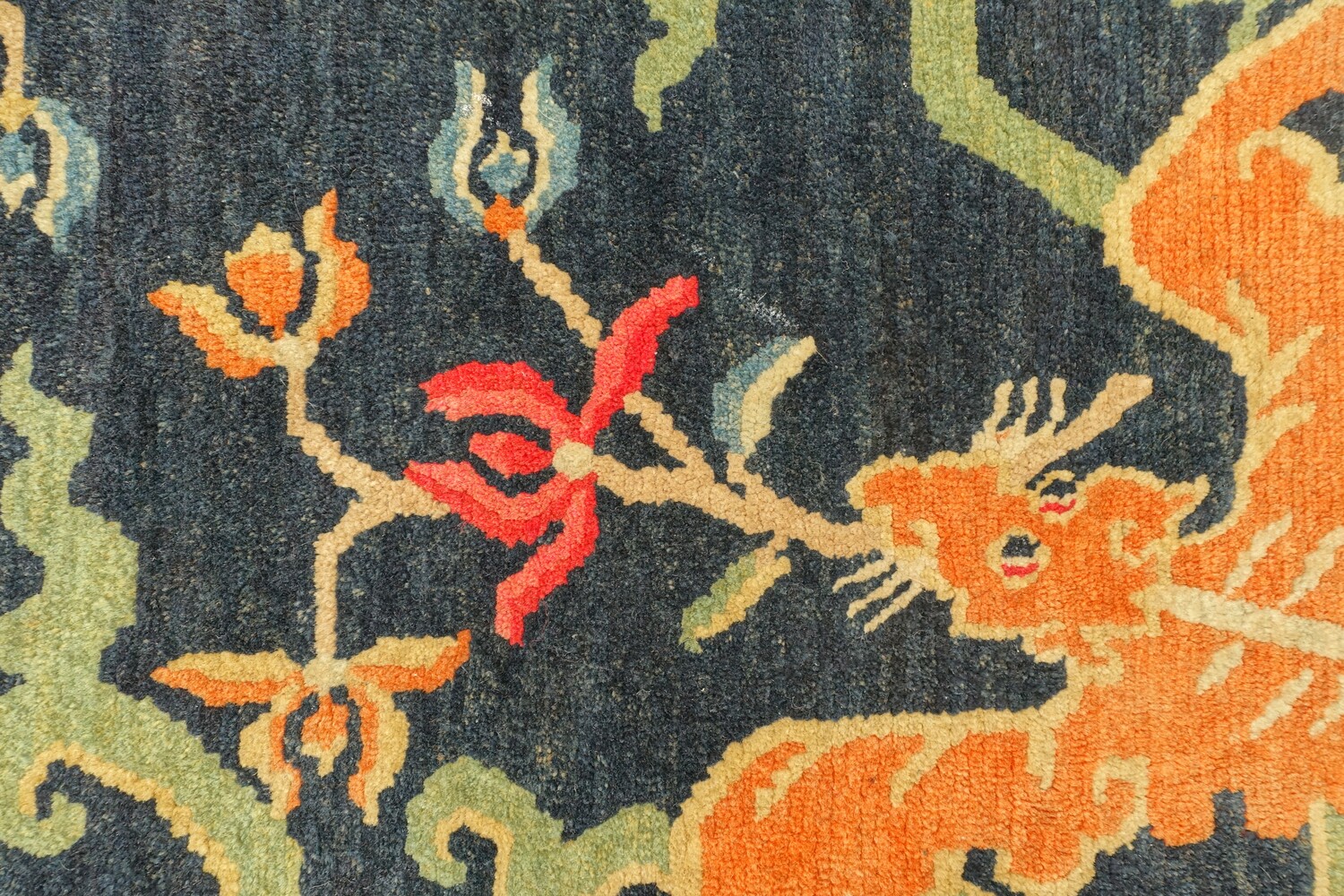 Fig. 4. Detail of TRC 2025.0765b.
Tibetan yaks are characterised by their strength and their long fur coat, which comes in a range of colours and colour combinations. They can carry heavy loads up steep slopes. During the ‘Yak Festival of Tibet’ in the eighth month of the Tibetan Calendar, yaks are decorated, ridden in races, and sacrificed to Tibetan deities. This festival, which can go on for up to a month, shows the significance of yaks in Tibetan life. They are important in agriculture and transportation, their meat and milk (often used to make butter) are a nutritious food source, and their hides and wool are used for high quality clothes and textiles that are lasting and warm.
The TRC has been busy setting up a fibre sample collection to help in the identification of the many types of textiles in our collection. Part of this collection are two types of yak wool, and we aim to expand our 'yak' fibre collection to include more varieties over time. In future, these can then be used to examine the fibres used in our Tibetan (and other) objects. Moe about this later. You can read more about the new and in-progress fibre archive at the TRC here.
What started with cataloguing a new object, led to studying not only the significance and use of said object in Tibet, but also led to research on yaks and fibre identification. This gives a window into the interesting snowballing effect of learning more about the amazing objects we have in our collection, and leads me to the conclusion, every time, that there is always more to learn!
20 June 2025