Orenburg lace knitting: Workshop 3 June
Orenburg is a province in the southeastern part of Russia, along the slopes of the Ural mountains, and close to the borders with Kazakhstan. This is where Europe meets Asia. In this region, at least since the 17th century, there is a strong tradition of lace shawl knitting. This would make the tradition older than Shetland knitting.
Detail of a 'Warm' Orenburg knitted lace shawl. Russia, 20th century (TRC 2025.0751).The shawls are knitted using goat's under hair, or down, from locally bred animals. The yarns are traditionally hand spun, two-ply at a slightly higher twist to create crisp patterns. The fibres of these goats are extremely thin, only 17 microns. This is four times thinner than human hair, and 1.5 times finer compared to angora goats.
By the second half of eighteenth century, the quality of materials and the knitting technique itself had improved considerably and a cottage industry developed. It was recognised by the Russian authorities as an official home-industry and art form.
Example of an Orenburg Gossamer knitted lace shawl.Because the lace knitting is so labour-intensive, the shawls were expensive, especially those exported outside of Russia. As a result, goat's down was imported from Russia for the production of “Orenburg imitation”, both in France and in England. However, also these shawls remained expensive. There have been attempts to breed the goats in England, France and Australia. But once the goats were taken from the harsh mountains of the Ural, their down was no longer of the same quality. During all this time, true Orenburg shawls remained famous and were regularly shown on international exhibitions.
At the beginning of the twentieth century, around 12,000 women were active in the Orenburg knitting industry. By that time the production was divided. There were women who specialised in down preparation, such as the spinning, knitting, washing and finishing, and others were involved in repair work.
Conditions for the home-knitters were tough, with middlemen taking much of the profit. At the same time, if knitters could not obtain 100% down, they were forced to use lower quality yarns, such as cotton or low quality (short staple) silk, thereby reducing the quality of their work and reducing the money they received.
After the Russian Revolution, the knitting industry became government run, with cooperatives in regional villages. Knitters were supplied with the raw materials and were paid a monthly salary. Under this system the quality of the shawls again improved.
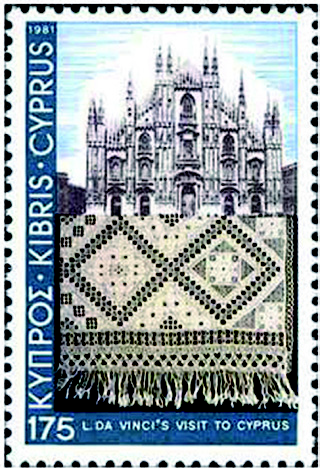
Orenburg knitted lace shawl depicted on a Russian postage stamp.From the 1990s onwards, some knitters continued as independent crafts people. When it became possible for them to travel abroad, they started teaching their knitting techniques in the Western world. Experienced knitters in the United States helped to translate the mainly oral tradition into printed patterns better understood by other Western knitters.
There are two main types of Orenburg shawls, the Gossamer and the Warm shawl. The first one is the most famous and most expensive. It is knitted with thin yarns and has an all-over patterning. The Warm shawl is mostly made of thicker yarn (3-ply instead of 2-ply) and has a plain centre and a lace edge.
We have recently received an example of a Warm shawl for our collection (TRC 2025.0751). But we would love to have examples of the Orenburg Gossamer shawl. Can you help?
Interested to try out the patterns used in Orenburg lace? You are welcome to join our Orenburg knitting workshop in the TRC on 3 June.
Alice van Duijnen, 19 April 2026


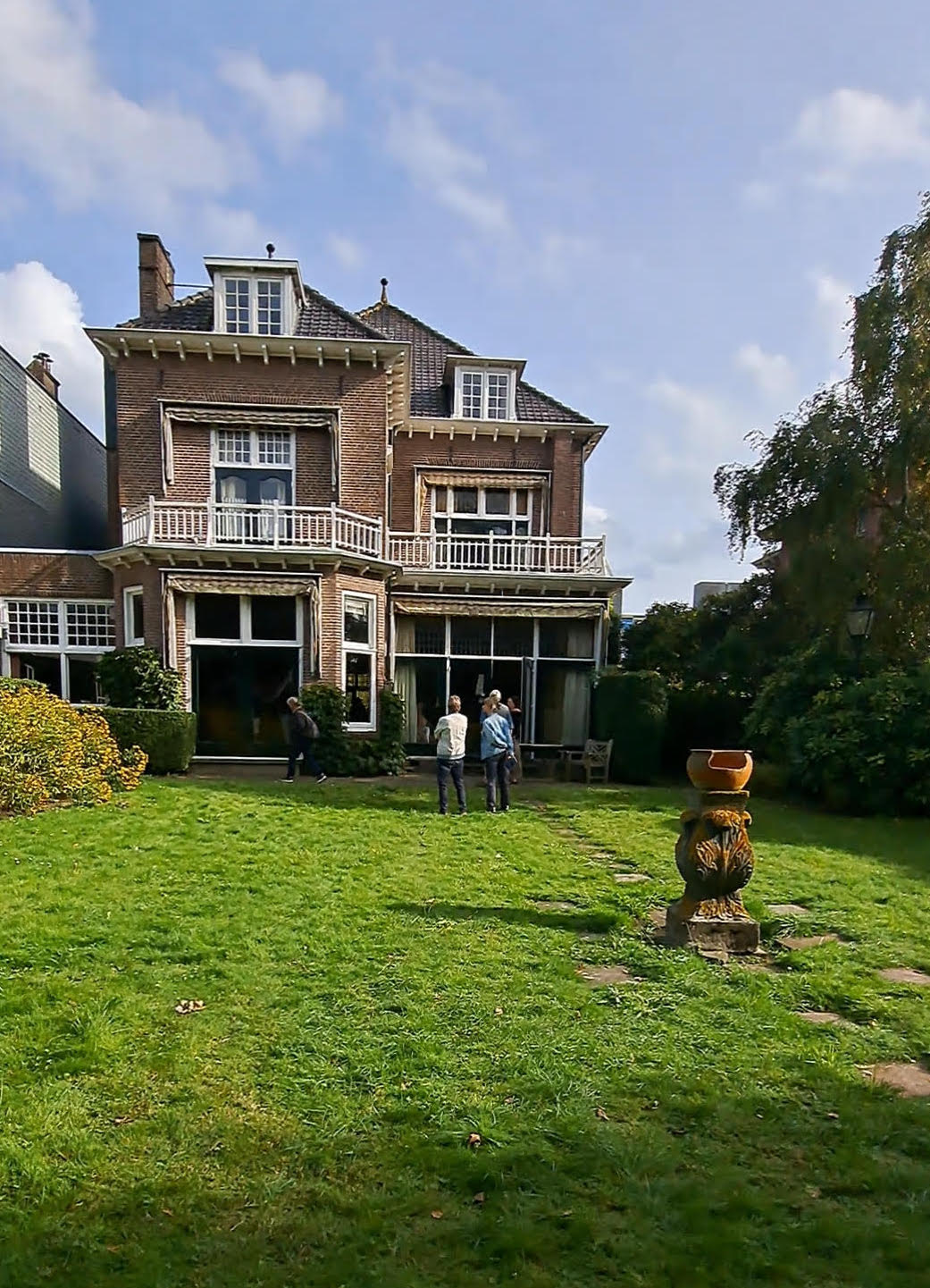
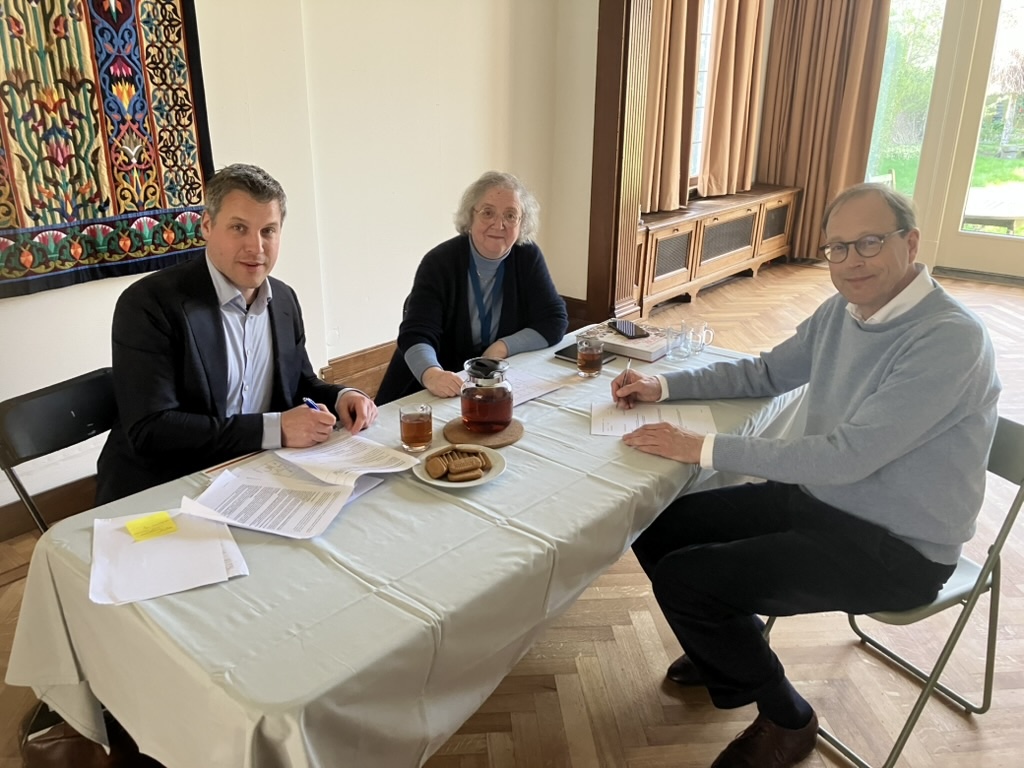
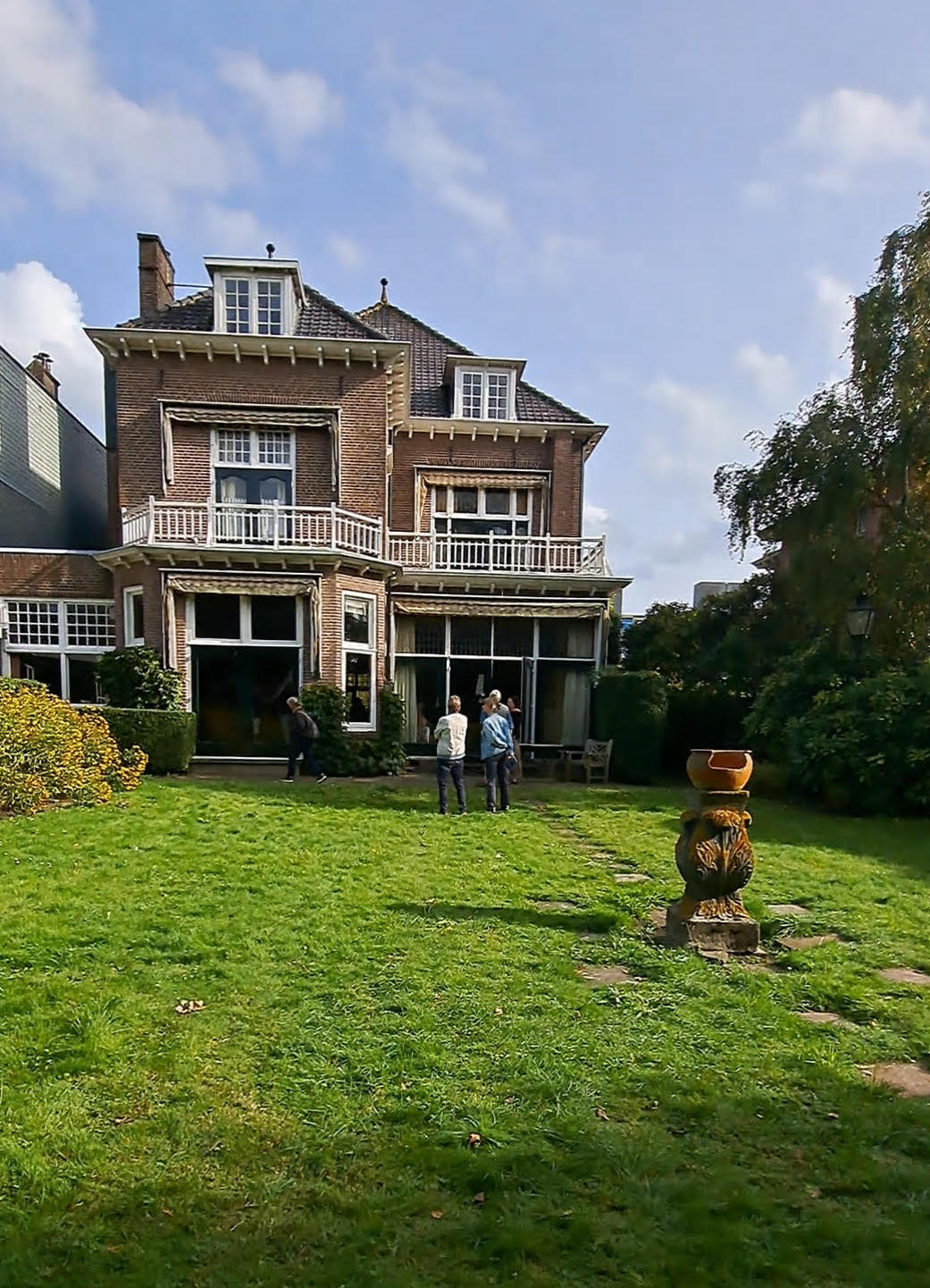
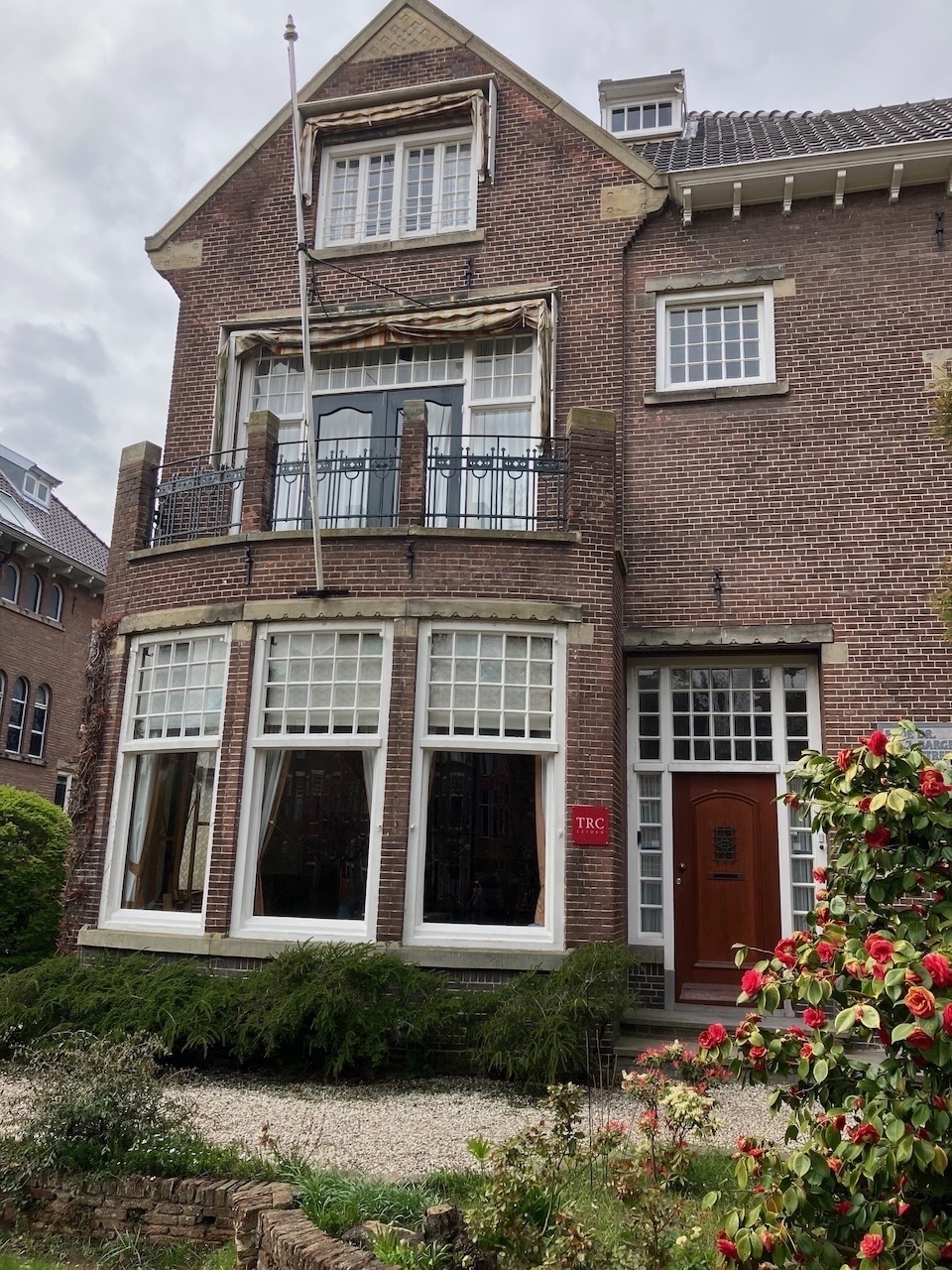
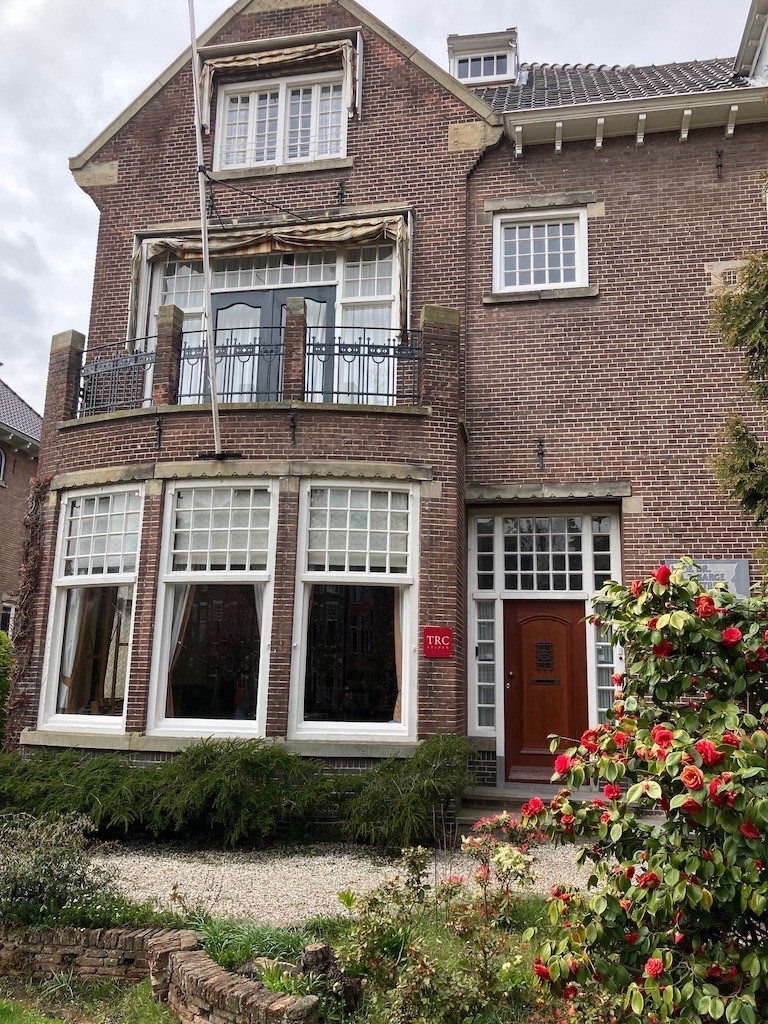
The move to Boerhaavelaan 6 is nearly finished, just a few more weeks and all the rebuilding, painting, furnishing, packing and putting away of boxes will be over! A great relief to all.