• F2
  • F1
  • F4
  • F3

Many people may think of kimono and obi as very Japanese garments. That is true in some way, of course, but not always so in terms of their decoration. Rather, kimono/obi designers have for centuries applied many foreign motifs to decorate kimono and obi, to attract customers who want to wear ‘something different’.

Japanese obi (sash), with Andean (pre-Hispanic South American) motifs, c. 2000 (TRC 2022.0233).Japanese obi (sash), with Andean (pre-Hispanic South American) motifs, c. 2000 (TRC 2022.0233).

I am extremely grateful and excited to have taken part in the TRC’s “Textile Intensive Course” last week, from February 21st - 25th. After five full days of looking at and learning about textiles I can say I learned an incredible amount in a short period of time. My biggest takeaway is that the world of textiles is far larger, more complicated, more nuanced, and more interesting than you could ever imagine.

Participants of the February 2022 edition of the TRC Intensive Textile Course. Photograph by author.Participants of the February 2022 edition of the TRC Intensive Textile Course. Photograph by author.

Five others and I followed along with Dr. Gillian Vogelsang-Eastwood through every step of the production process of various textiles. First we looked at fibers, starting with the very basics of cotton, flax, wool, and silk. From there we expanded into a large world of fibers where we broke them down into categories to understand their origin, purpose, and qualities. Did you know it is possible to make a silky white fiber out of milk protein? I didn't before this course! Nor did I realize how many different types of sheep wool there are, or what the process for harvesting spider silk looks like. The best part was getting to sort through the bins of fibers Gillian had in order to start our sample book we eventually got to take home.

Mrs Keijzer-Sarneel talking about Rijnland dress. TRC Sunday Textile Talk, 27 February 2022Mrs Keijzer-Sarneel talking about Rijnland dress. TRC Sunday Textile Talk, 27 February 2022It's been a little while since initially working on the idea of a Sunday Textile Talk. All thanks to Covid many of our planned activities during the last two years had to be postponed. But since last Friday many of the masking and social distancing regulations were dropped here in the Netherlands, and the coming together of groups can now take place. What a relief. So last Sunday we finally had the first Sunday Textile Talk! 

These talks will take place on the last Sunday of every month. There will be formal lectures, as well as informal talks. The aim is to show the diversity of textiles. It will also give people the chance to see any pop-up and larger exhibitions on display at the TRC.

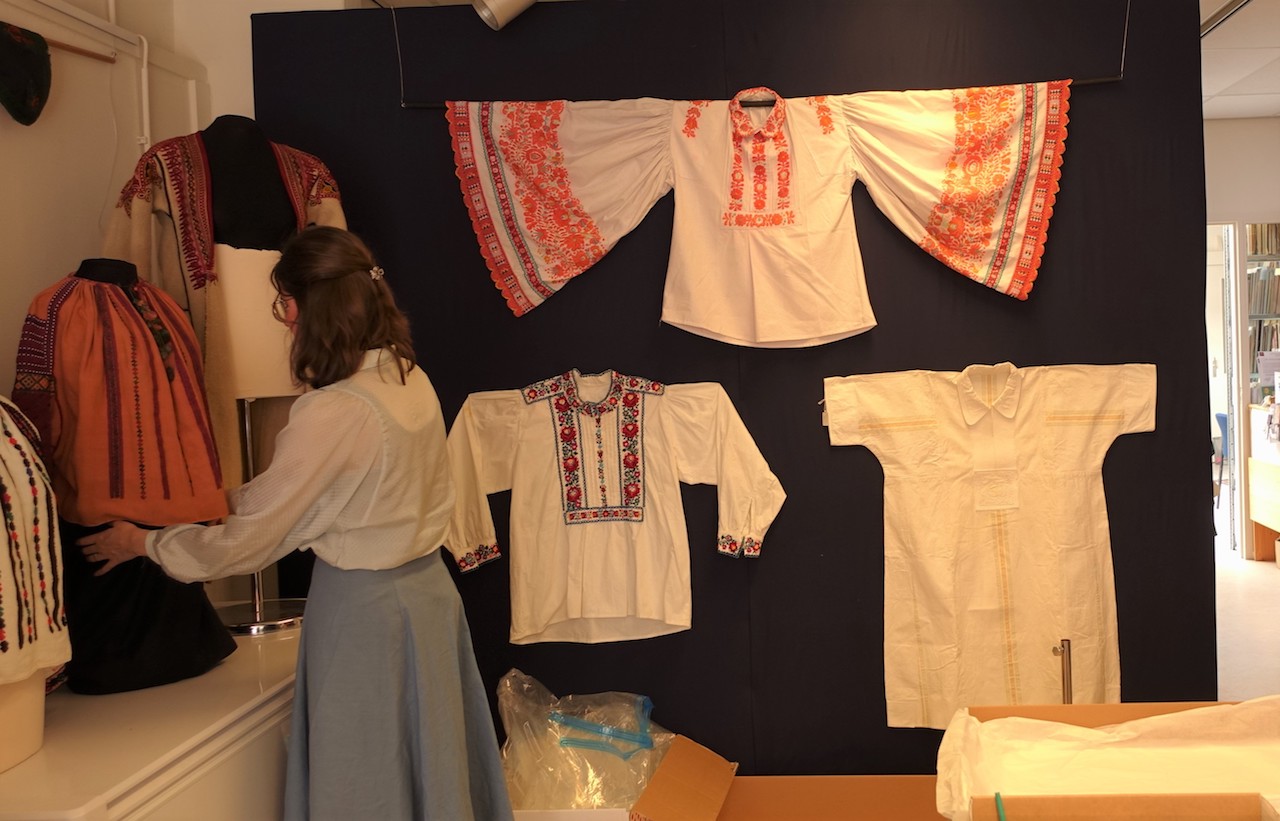
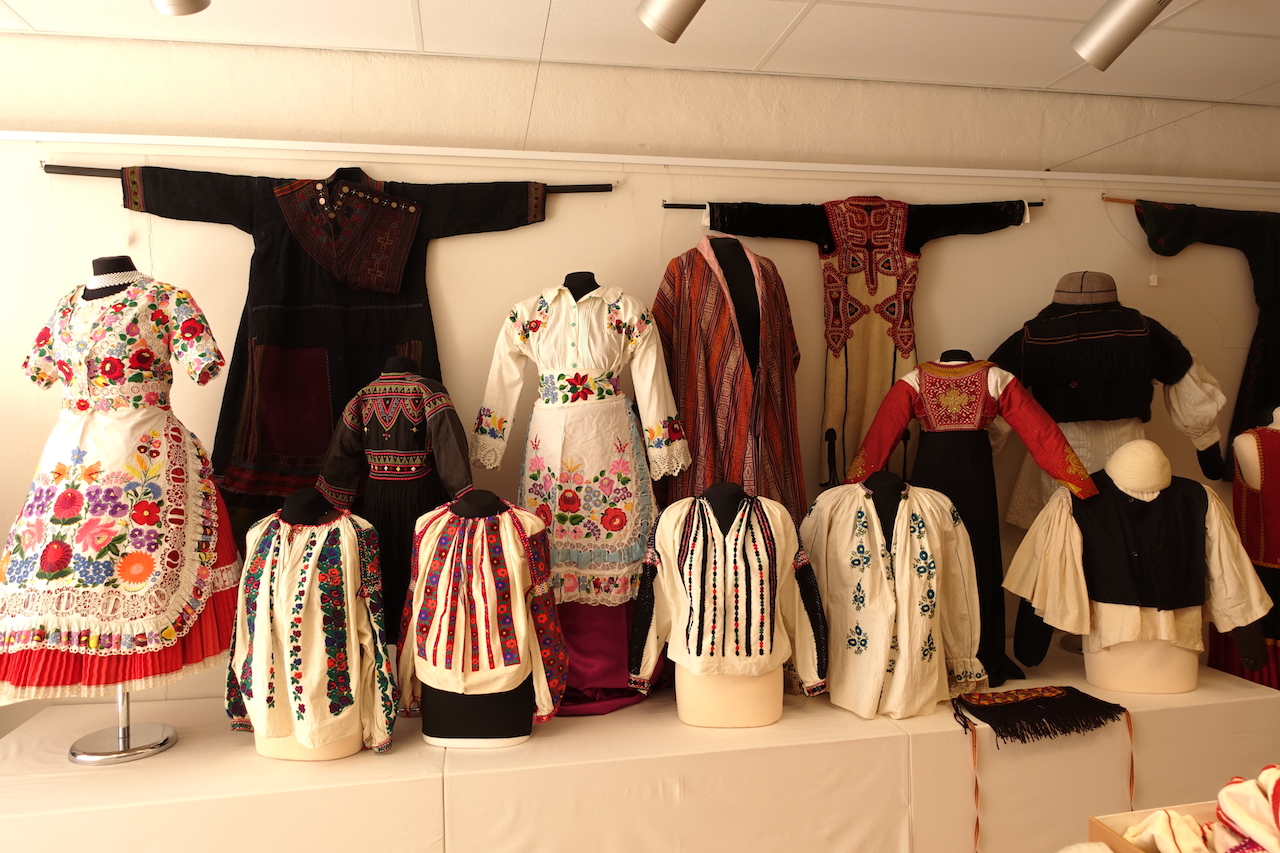
It's been quite a week! The Amsel Collection arrived on Sunday from Paris and the TRC Gallery became ‘home’ to a group of TRC volunteers who have been sorting, tagging, cataloguing and slowly getting the items photographed. The first batch is now online. Some of the Romanian items will appear in a forthcoming volume of Selvedge, the London based textile group. We will be working even closer with Selvedge in the future, sharing links, articles and blogs.

TRC volunteer processing the large Amsel collection. In the background part of the small pop-up exhibition of Rijnland lace caps.TRC volunteer processing the large Amsel collection. In the background part of the small pop-up exhibition of Rijnland lace caps.

I was talking with someone from the Dutch embroidery group Merkwaardig as part of a follow-up after an online lecture I gave for them called ‘What is Embroidery?” She had been looking at the TRC website and the TRC blogs and was very surprised by the diversity of subjects covered. For her it was bizarre, but fantastic.

Japanese kimono with Mickey Mouse prints, 2021 (TRC 2022.0229).Japanese kimono with Mickey Mouse prints, 2021 (TRC 2022.0229).

Mrs Bettie Stijnman showing the two reconstructions that she made of the 's Gravenmoer lace flounce on the Rijnland cap (TRC 2021.2446).Mrs Bettie Stijnman showing the two reconstructions that she made of the 's Gravenmoer lace flounce on the Rijnland cap (TRC 2021.2446).A little while ago we published a TRC blog about a small, Dutch lace cap (TRC 2021.2446) from the Rijnland region of the Netherlands. More specifically, the cap was decorated with a flounce made from handmade bobbin lace that is now in a bad condition.

As noted in the blog, this type of lace is the only form of bobbin lace traditionally made in the Netherlands. It was worked in the village of 's-Gravenmoer in the province of Noord-Brabant, north of the Belgian port of Antwerp.

Madeleine Fugate holds up a panel of the Covid Memorial Quilt, which will be displayed in museums, hospitals, churches, schools and traveling exhibitions (WNV/Lisa Smith)Madeleine Fugate holds up a panel of the Covid Memorial Quilt, which will be displayed in museums, hospitals, churches, schools and traveling exhibitions (WNV/Lisa Smith)The TRC has a fascinating collection of American quilts. Among the many different kinds there is one category called commemorative quilts, which are made to commemorate a particular event or person.

A schoolgirl from California (US) is creating one such quilt, to remember those who have died of COVID-19. “I was watching the news and they kept saying ‘the numbers’ are going up and I said, ‘They aren’t numbers, they’re people.’ My mom worked on the AIDS Memorial Quilt in the 1980s, so I said, ‘Let’s make a Covid Memorial Quilt to honour the people who died and help our country heal’,” Madeleine Fugate explained. She began the quilt in April 2020, when she was 13 years old. It was part of a school community action project called “Young Change-Makers in a COVID-19 World.

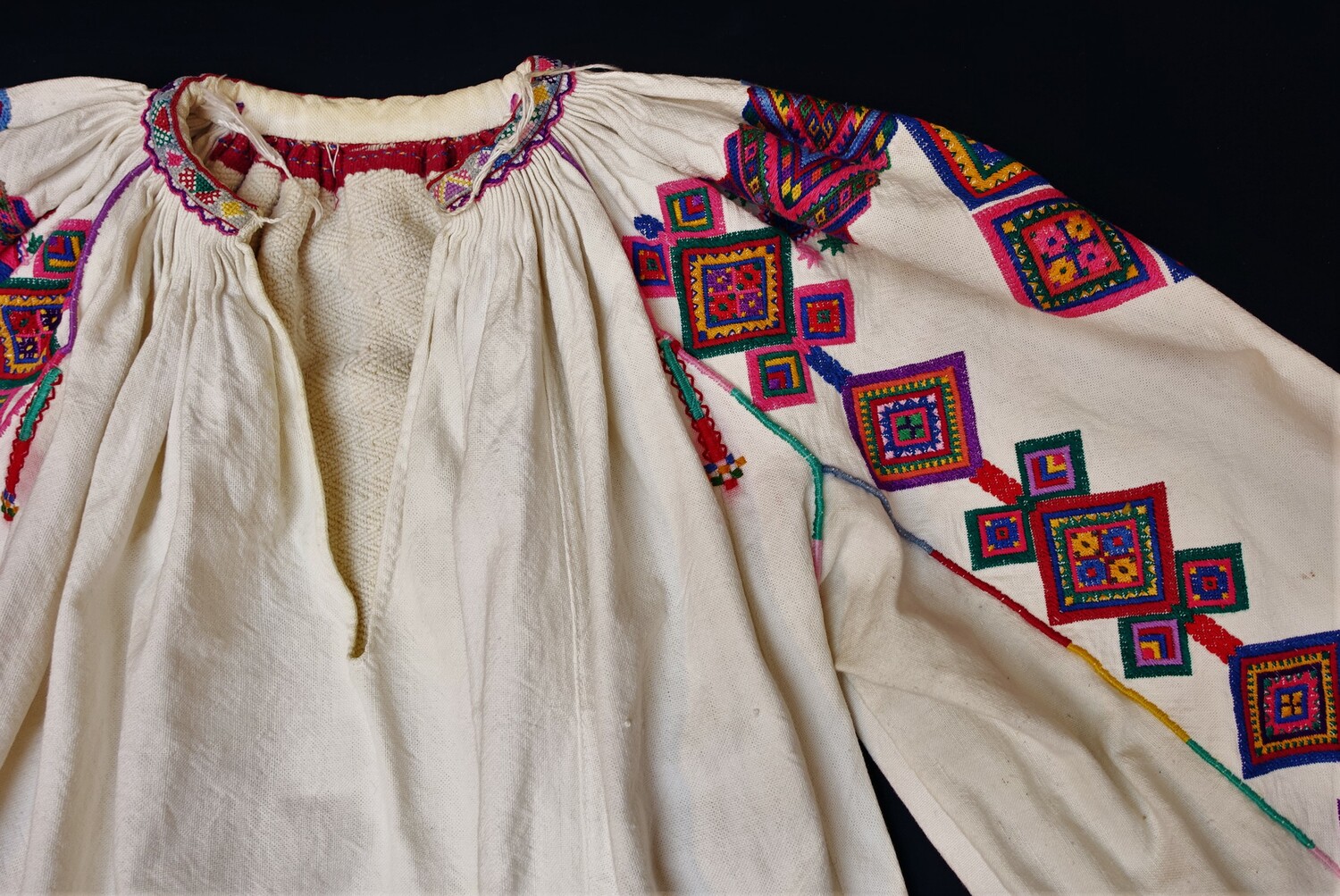
Romanian man's shirt with hand embroidered decoration, late 20th century (TRC 2022.0197).Romanian man's shirt with hand embroidered decoration, late 20th century (TRC 2022.0197).

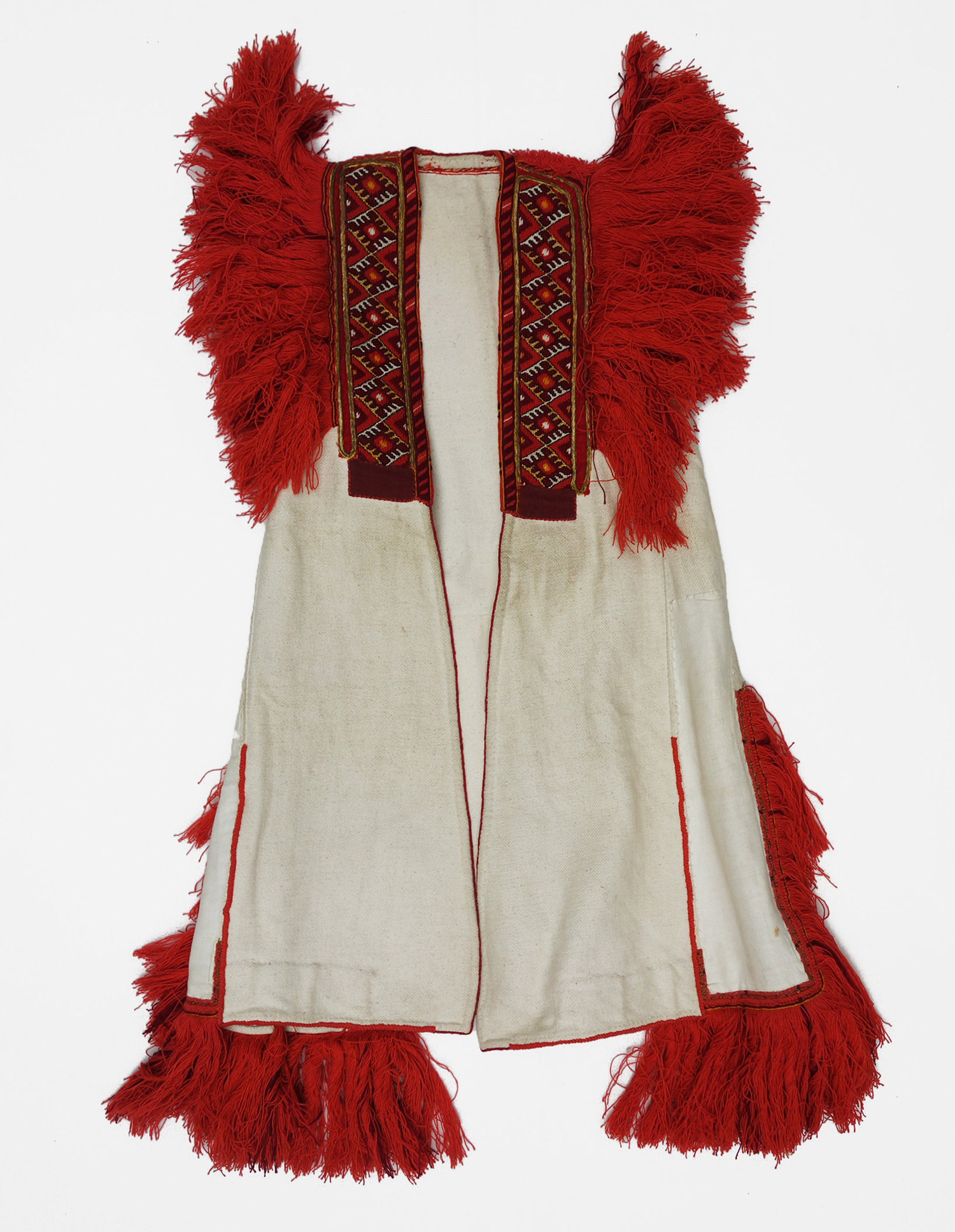
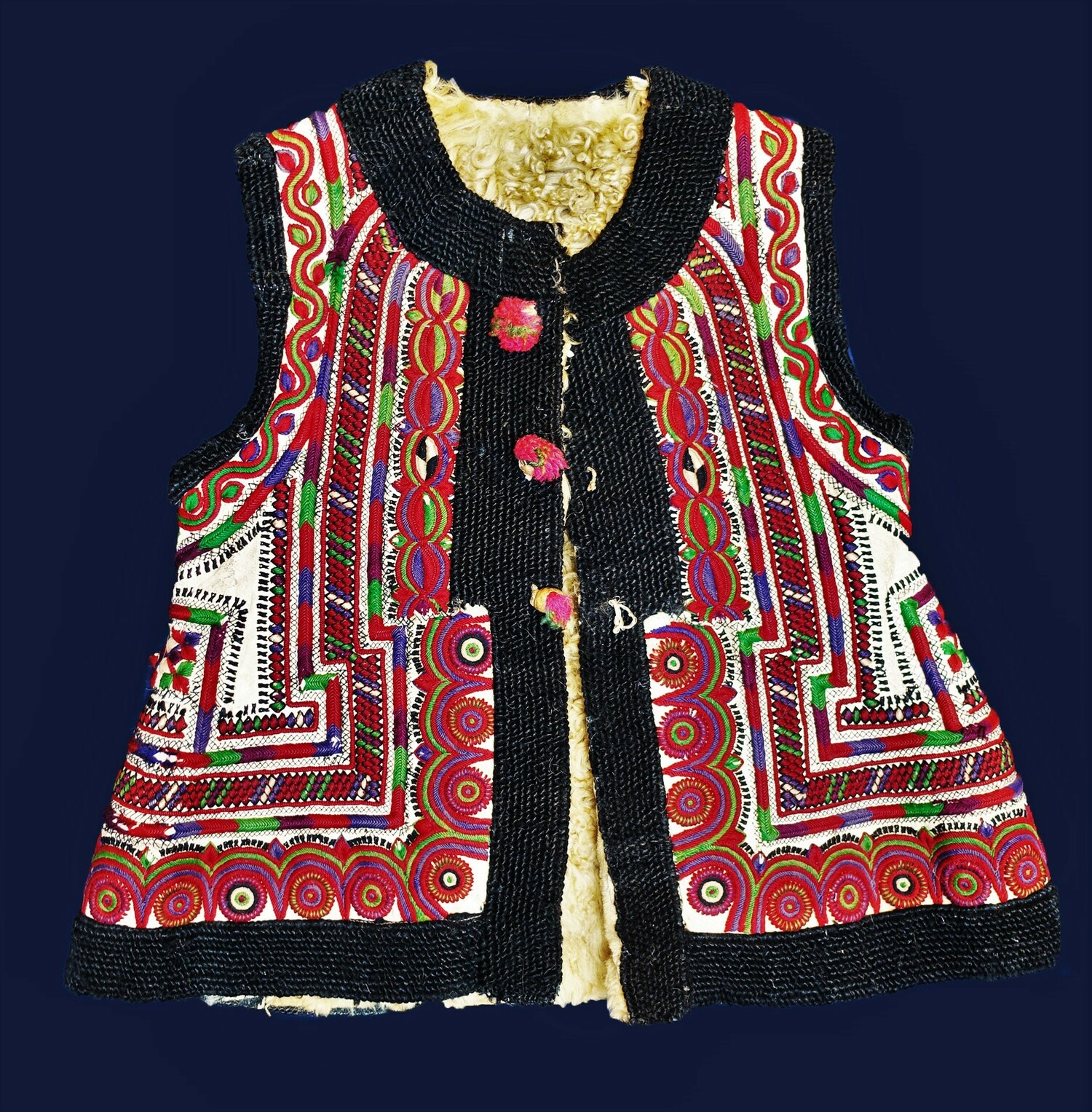
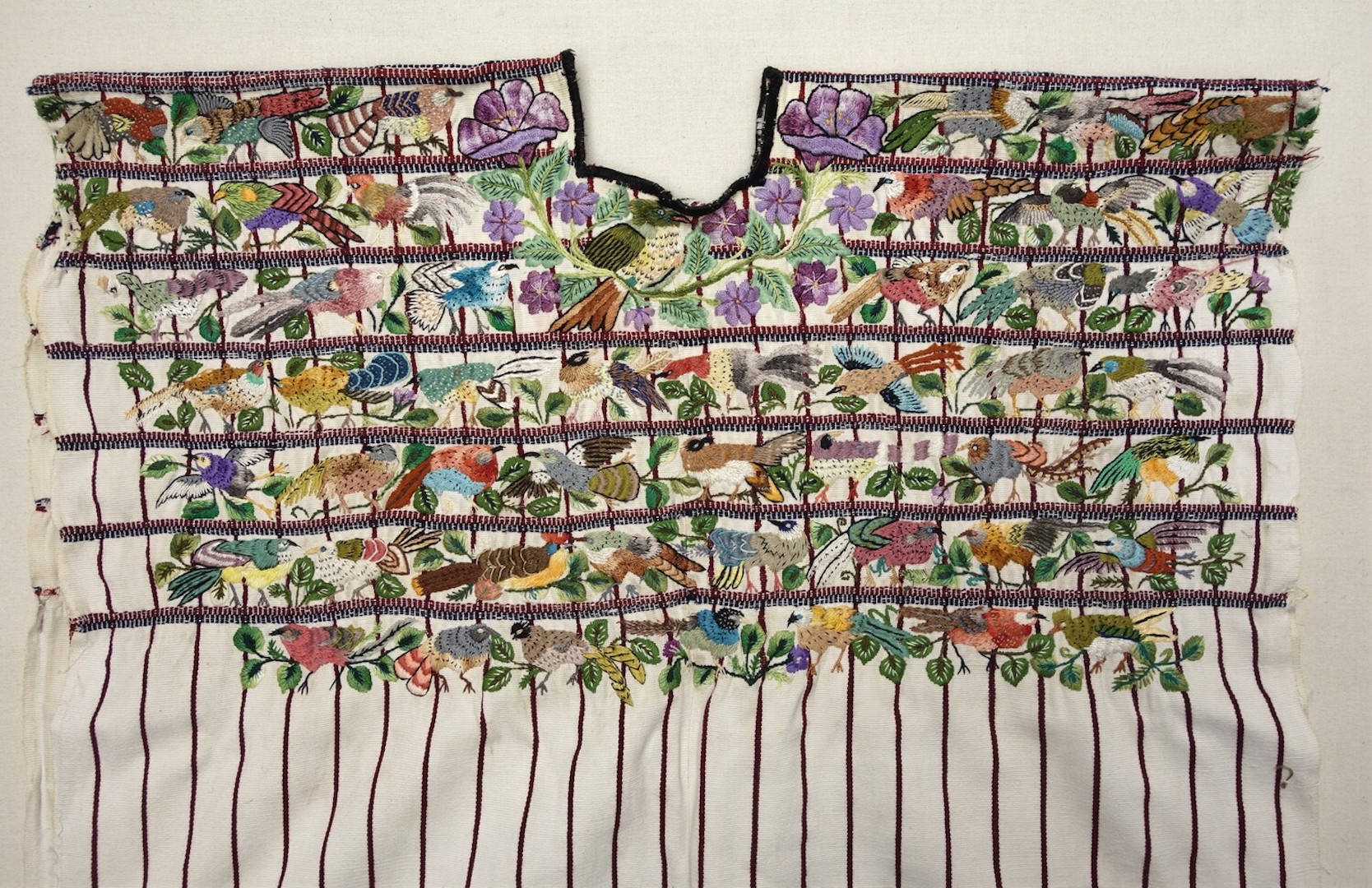
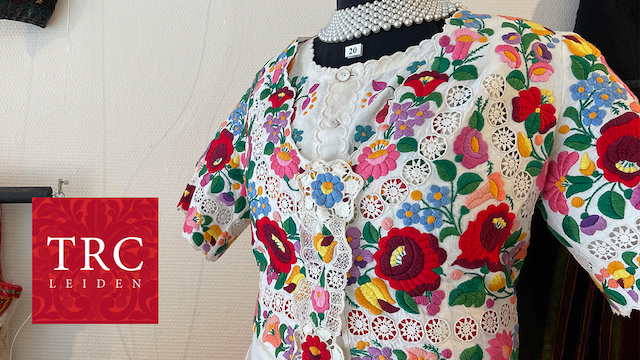
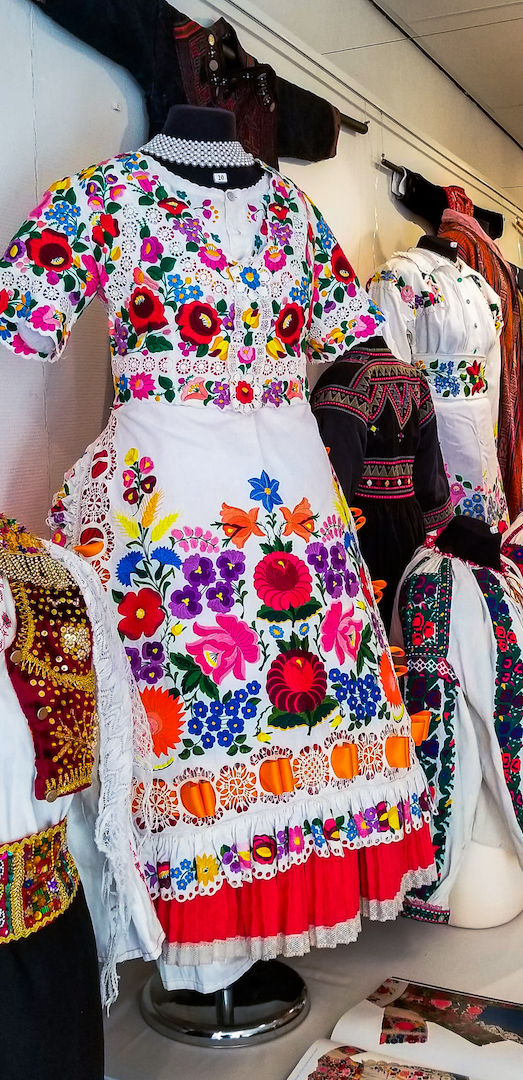
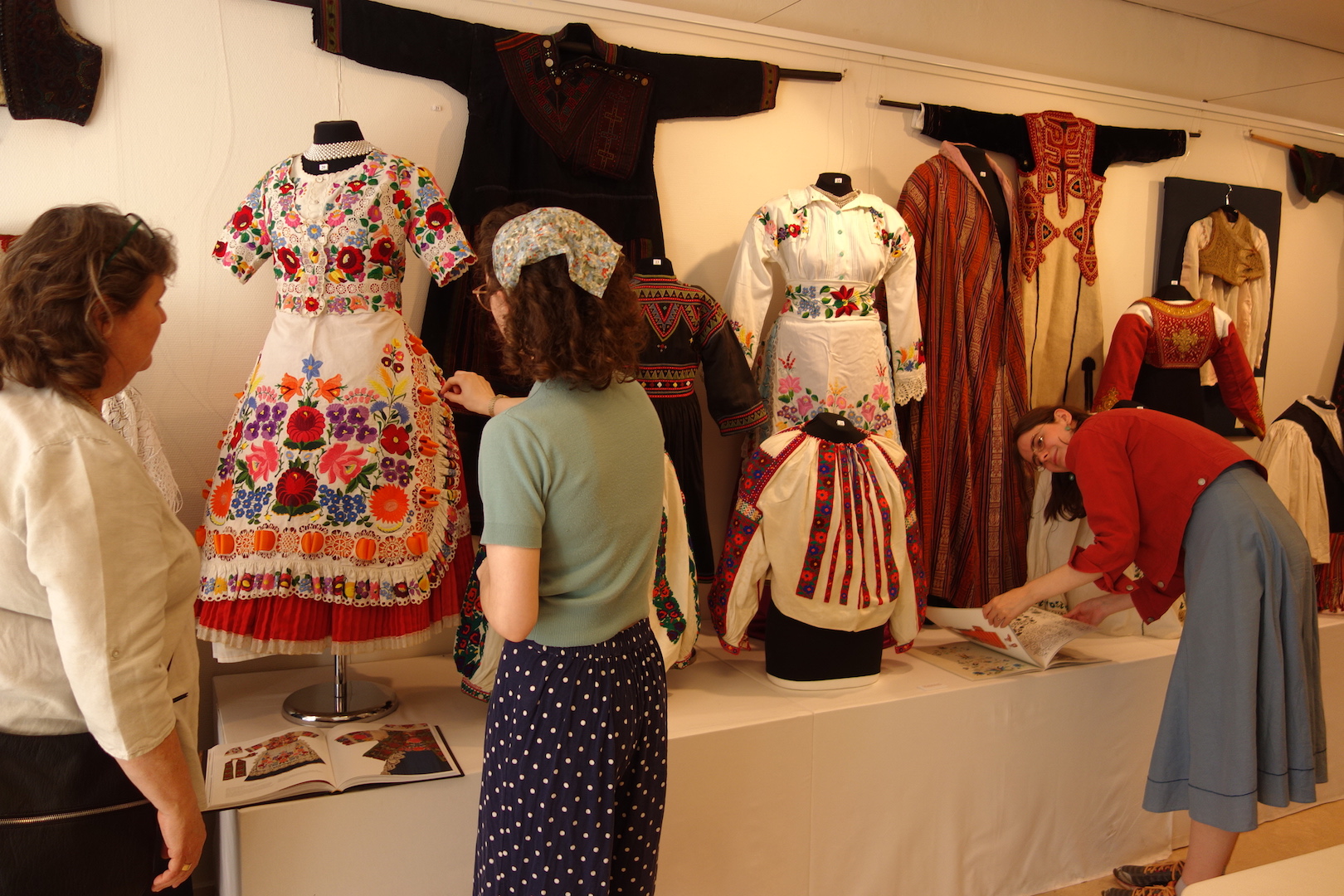
As many readers will know we have been given a large collection of mainly Hungarian textiles and garments that is currently in Paris. The transport of the collection was delayed slightly, but it is now scheduled for the 20th February. In the meantime, Augusta de Gunzbourg, who is looking after the organization, transportation and cataloguing of the collection, has recently been to Paris to discuss the collection, its background, and indeed its future. See also a previous TRC blog of 25 November 2021: Citizen culture at work: The textiles are coming to Leiden.

Zoek in TRC website

Contact

Boerhaavelaan 6
2334 EN Leiden.
Tel. +31 (0)6 28830428  
office@trcleiden.org

Het TRC is elke dag geopend tussen 10.00 en 15.00 uur.

facebook 2015 logo detail


instagram vernieuwt uiterlijk en logo


Bankrekening

NL39 INGB 0002 9823 59, t.a.v. Stichting Textile Research Centre.

Financiële giften

Het TRC is afhankelijk van project-financiering en privé-donaties. Al ons werk wordt verricht door vrijwilligers. Ter ondersteuning van de vele activiteiten van het TRC vragen wij U daarom om financiële steun:

Giften kunt U overmaken op bankrekeningnummer (IBAN) NL39 INGB 000 298 2359, t.n.v. Stichting Textile Research Centre. BIC code is: INGBNL2A

U kunt ook, heel simpel, indien u een iDEAL app heeft, de iDEAL-knop hieronder gebruiken en door een bepaald bedrag in te vullen: 


Omdat het TRC officieel is erkend als een Algemeen Nut Beogende Instelling (ANBI), en daarbij ook nog als een Culturele Instelling, zijn particuliere giften voor 125% aftrekbaar van de belasting, en voor bedrijven zelfs voor 150%. Voor meer informatie, klik hier