Fig. 1. Ukrainian ghillie suit or kikimora (TRC 2025.1840a).(Gillian Vogelsang, 7 December 2025) A yeti arrived at the TRC the other day… well not an actual yeti, but something similar, and the potential likeness was commented by several people. Actually what we have been given is a ghillie suit (Fig. 1; TRC 2025.1840a) known locally in Ukraine as a kikimora and with it came an intriguing story.
Ghillie suits
But let's start at the beginning, what exactly is a ghillie suit? Basically it is a long, hooded garment used by various groups, including snipers, watchers, trackers, natural life photographers etc., as a form of camouflage.
The word ghillie derives from the Scottish Gaelic word gille, meaning a boy or man who worked as an outdoor servant, such as a gamekeeper or a tracker on one of the remote Scottish estates, where they are in charge of the deer, other animals, birds and fish. It was not uncommon for them to wear tweed clothing that blended into the heather and wooded countryside.
The term ‘ghillie suit’ was adapted by the military and others in the late 19th century. The term is now used to describe a complete head and body covering that is made up of net with lots of pieces of mottled cloth stitched or knotted to it in a specific range of colours. Pale browns and yellows for desert conditions, white for snow and ice, green and browns for wooded areas, etc. The example given to the TRC had strips of cloth cut in a spiral form to make sure the individual strips of cloth curled around each other rather than hanging in unnatural straight lines.
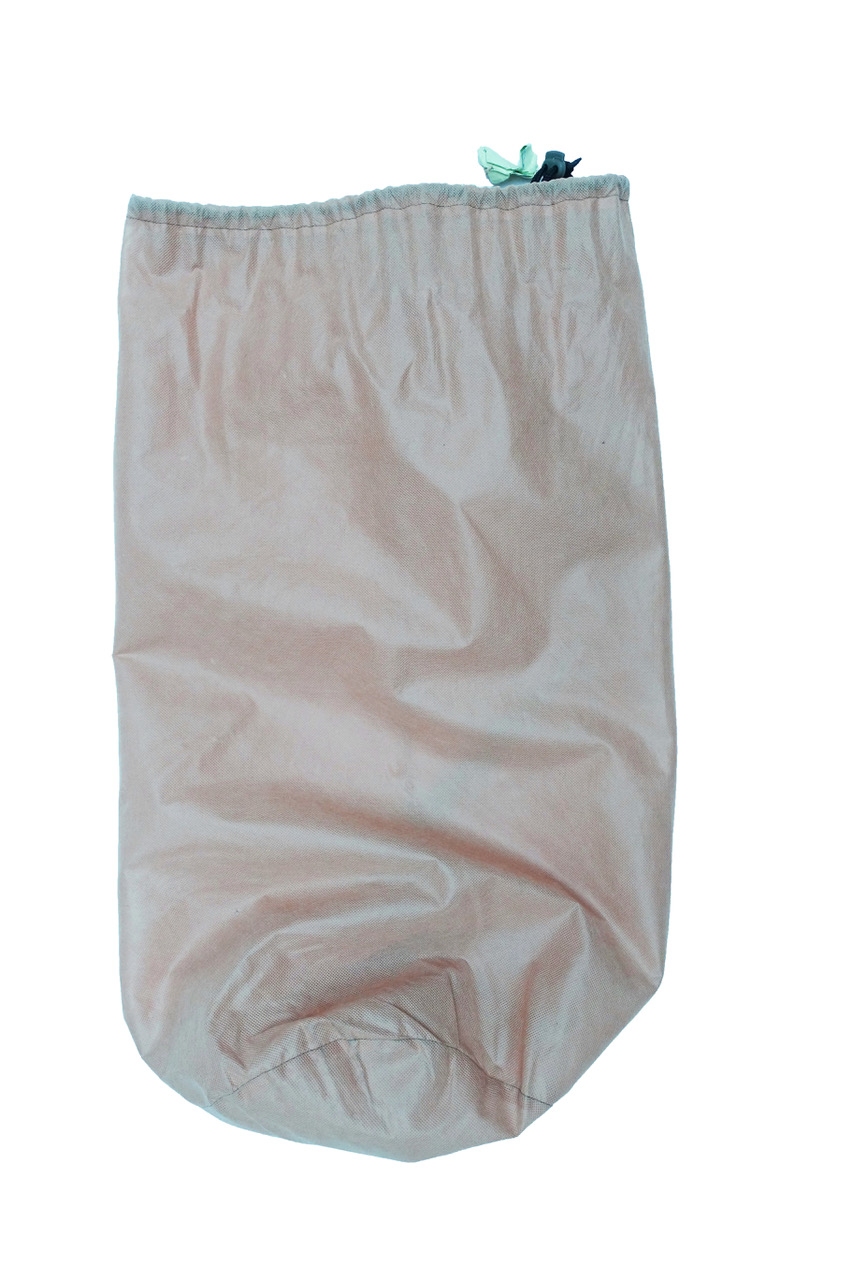 Fig. 2. Bag for Ukrainian kikimora, TRC 2025.1840a (TRC 2025.1840b).The ghillie suit or kikimora
So why has the TRC acquired a ghillie suit or rather a kikimora from Ukraine? This was arranged by a friend who is working as a volunteer in Ukraine and more specifically with a volunteer group called Kitty Pechersk, who are involved in the making of anti-drone camouflage nets and suits for Ukrainian military, snipers and watchers.
The TRC is currently running a fund raiser (see below) to raise money to pay for a cloth cutting machine (one or more) and to support the work of the camouflage net makers. The machine can literally cut (sorry for the pun) down the work of the camouflage cloth cutters from several days to minutes.
Kitty Pechersk very kindly arranged the suit in order to bring attention to what they are doing in a very visual and practical manner.
For those of you who are curious about the word kikimora, this refers to a Ukrainian story about an old woman who may have the facial features of a dog, chicken or even a goat. In some of the stories about the kikimora she is said to wear ‘camouflage’ clothing made out of moss and grass that hide her in the swamps of Ukraine.
From Ukraine to The Netherlands
Below is the story of how the Ukrainian ghillie suit came to the Netherlands.
“The first challenge was to earn the trust of the Kitty Pechersk team. They produce these suits with great care and effort, and it is, of course, also a generally sensitive matter, as these are the actual suits the military are using as we speak. Once they were certain about the future of the suit I could bring it to the Netherlands. Then it was a big juggle with only one pair of hands on a solo journey back to the Netherlands with all the other stuff I had accumulated and was given during my three-month stay.
The trip started with a taxi to Kyiv's main train station. Then a train to the unpronounceable Polish city of Przemyśl, with extensive controls at the border, which took about six hours. Fortunately, the Kikimora transport bag didn't draw any attention because the military lady there was mostly occupied with giving me a firm speech about overstaying my visa-free period by two days.
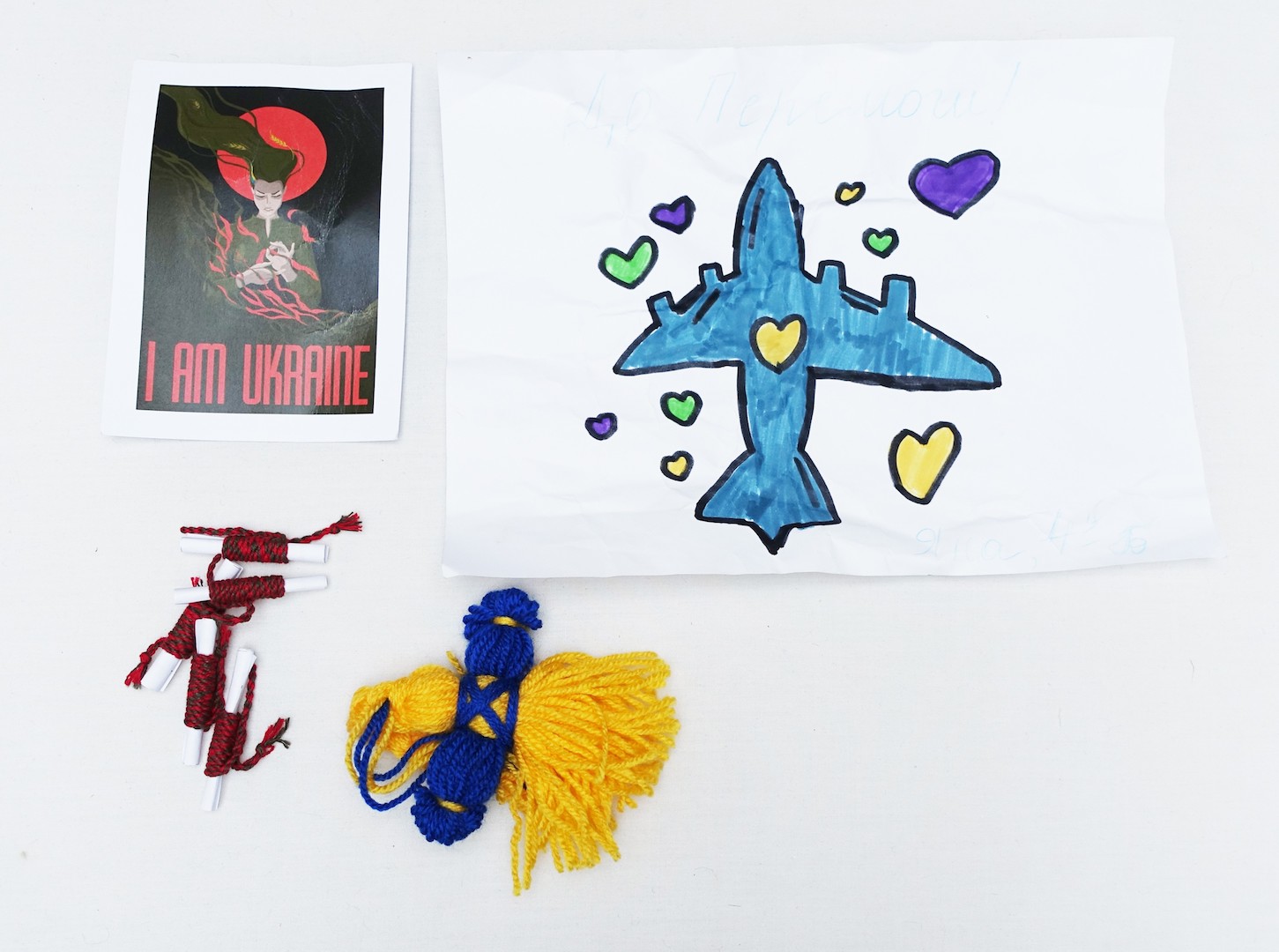 Fig. 3a. Support package for Ukrainian front soldiers (TRC 2025.1840c).
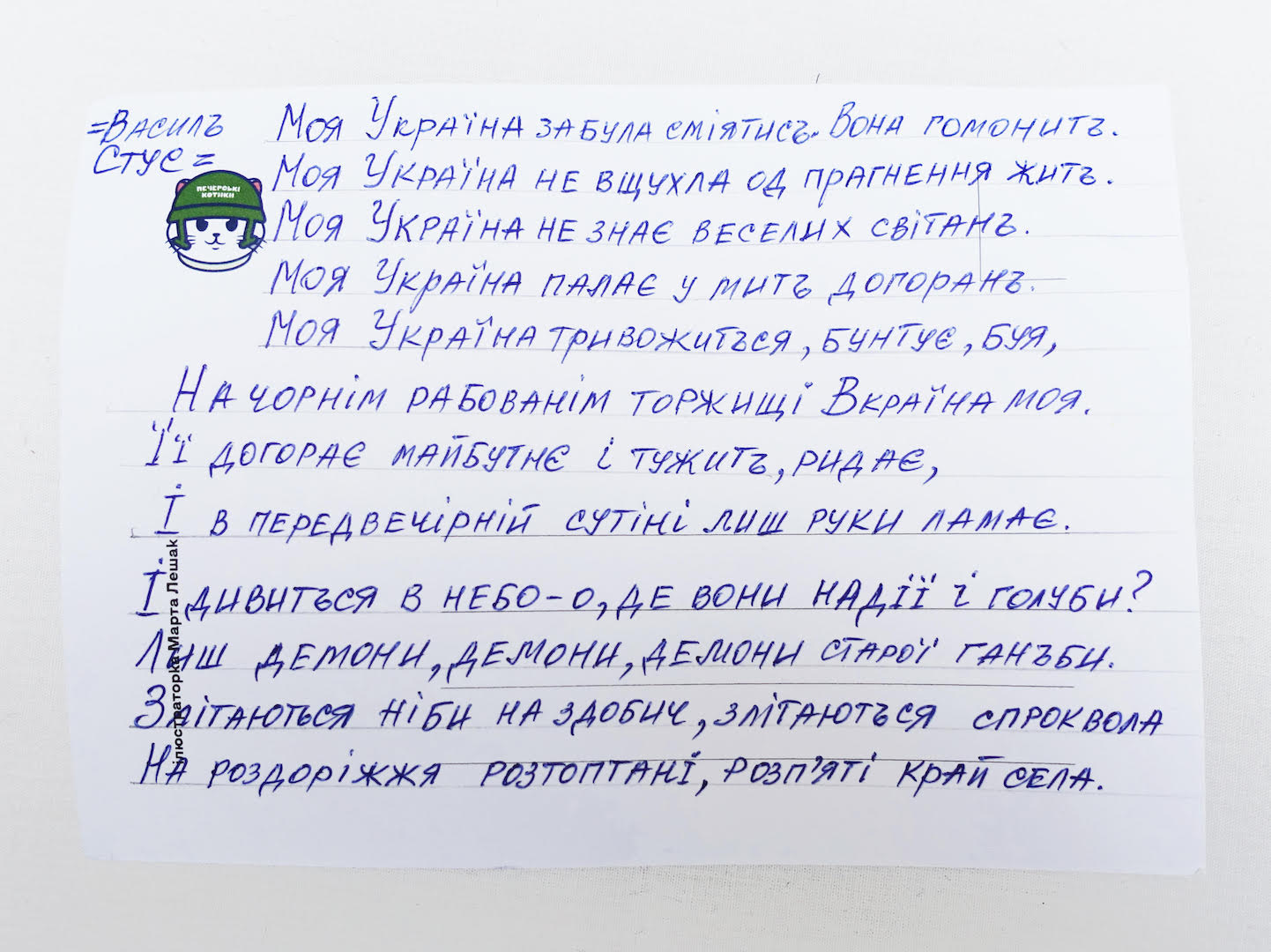 Fig. 3b. Letter for Ukrainian front soldiers, from support package (TRC 2025.1840c).
After arriving in Przemyśl in the middle of the night and dragging all my luggage through the city, looking for my hotel, encountering nothing but other wandering international travellers facing the same challenge as me, I managed to get a few hours of sleep before my FlixBus to Krakow and then a taxi to the airport.
There I was fortunate again that the Kikimora bag, which basically looks like a packed sleeping bag (Fig. 2; TRC 2025.1840b) didn’t raise any eyebrows, and I could get it on the plane as hand luggage/pillow. Dutch customs don't ask many questions of travellers from Poland, and once I was on home turf, I handed over the kikimora with an almost ceremonial solemnity to the TRC.”
What is particularly poignant is that the suit came with a letter (Figs. 3a and 3b; TRC 2025.1840c) from a Ukrainian school child of the type being sent as a means of support to their soldiers. The letter really brings home the situation of many families and the needs of the Ukrainians for equipment, large and small.
If you would like to donate to the TRC appeal for a cloth cutting machine then please go here. Or contact Gillian Vogelsang at the TRC (This email address is being protected from spambots. You need JavaScript enabled to view it.).