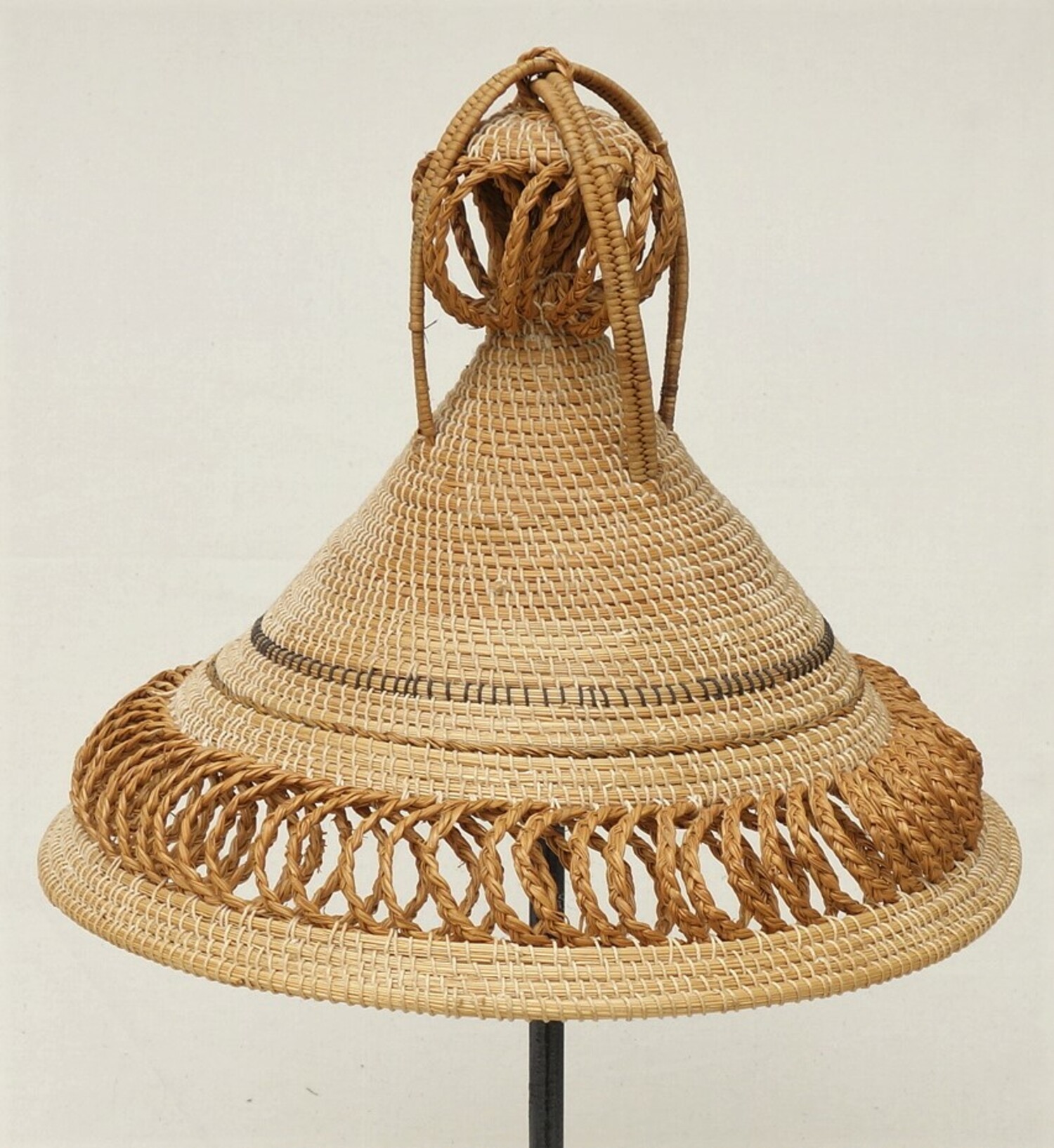
A few days ago, on a sunny Saturday morning, I hopped onto a train to Leiden to reconnect with Gillian Vogelsang after far too many years. She used to be my mentor on all things textile when I pieced together my MA thesis on Mongolian attire at Leiden University. I fondly remember mornings spent at the TRC photographing and cataloguing the latest batch of clothing that had come in as a donation. Just as clearly I remember the TRC’s ever pressing issue of not having enough space for about everything. That appears not to have changed much, as Gillian points out when welcoming us to the TRC’s premises at Hogewoerd 164. The TRC was still housed at the Volkenkunde Museum when I was around, and yet, it eerily feels a bit like coming home at the Hogewoerd!
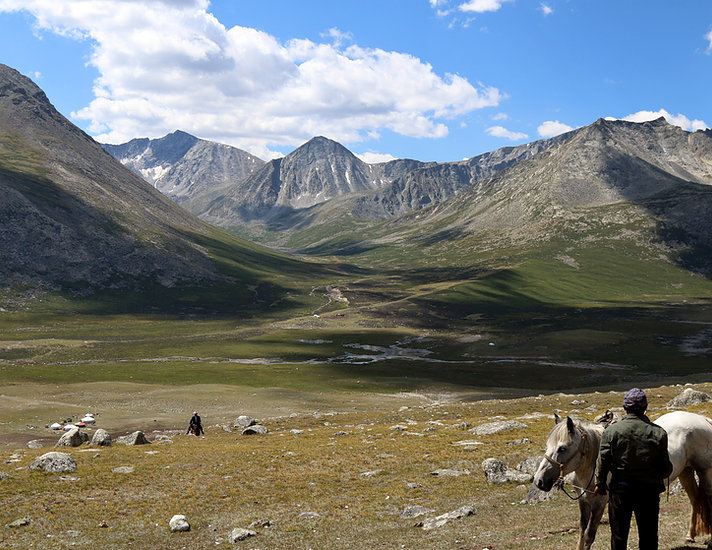 The Good Growth Company supports yak herders in Mongolia.
I was accompanied by Mandar Jayawant, founder and CEO of the Good Growth Company, which he set up together with Nick Keppel-Palmer. Recognising the need to address the environmental devastation caused by conventional fashion industry supply chains, Good Growth Company has made it its declared aim to regenerate depleted places. This sounds complicated, but it doesn't have to be. According to Mandar and Nick it actually needs simplicity rather than complication. They believe that instead of using complicated production chains for the trend-hungry low-cost consumer, the Good Growth Company wants to create products that put the local natural environment first. In other words, Good Growth Company replaces the question of what the consumer wants, with the question of what a given region can provide or needs to regenerate and then to develop products from these materials.
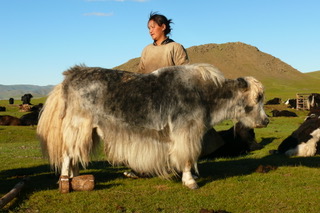 Yaks in Khangai region, Mongolia ( Good Growth Company 2019).To drive home this concept Mandar points to the desertification of the Mongolian steppes as a result of herders having turned away from the traditional production practices and herd compositions to a single-minded focus on cashmere goats. Desertification in Mongolia is a direct consequence of consumer/retailer dictated production. To turn this around the Good Growth Company commits to buying everything herders produce — cashmere, yak, camel, and their coarse as well as their fine fibres. For a community of herders in Arkhangai province in Mongolia this means income options from all of their yak fibres while not long ago there were none.
Making good on this promise, Good Growth Company has now become the proud owner of a large consignment of fine yak underhair (wool) and of coarser yak guard hair. There is no shortage of ideas of how to use the fine underhair - a fibre of cashmere quality that has caught the attention of the sustainable fashion crowd in recent years. But the no-waste policy of the Good Growth Company goes beyond this and challenges the company to come up with innovative fabric and design ideas to create value for the coarser yak hair which is conventionally treated as waste to be discarded.


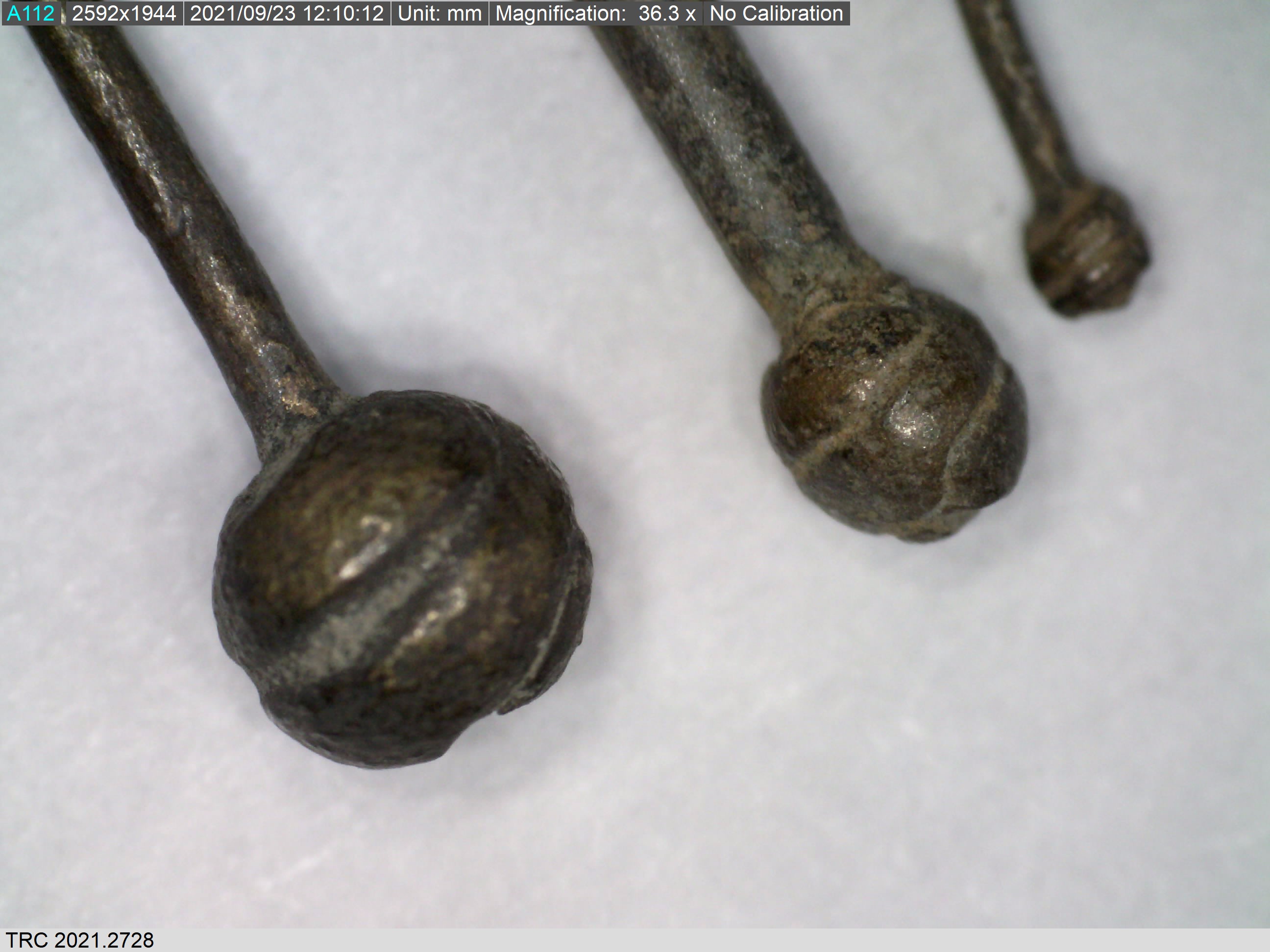 Three wire-wrapped pin heads, pre-1532, from Zeeland. 36.3 magnification, Dino-Lite microscope (TRC 2728a-b and TRC 2021.2735a).Some medieval Christian theologians allegedly debated on the question how many angels could dance on a pin head, and I always thought such a discussion would have been a bit of a waste of time. Yet over the last few years I have become fascinated with pins and pin heads! The handmade pin heads, for example, associated with a textile linked to Napoleon Bonaparte, as well as a pin cushion from 1826 were subject of an earlier TRC Blog.